(TITC) – From its natural assets and distinct cultural identity, Dong Thap Muoi is shaping an innovative tourism model centered on “lotus tourism – lotus cuisine – agricultural experience.” By combining homestays, rustic restaurants, and lotus-field photography services, the locality is building an attractive destination deeply imprinted with the spirit of the Western Mekong Delta.
From Cultural Symbol to a Distinctive Tourism Product
For generations, lotus has been inseparable from the lives of people in Dong Thap Muoi. The flower represents both purity and rustic beauty – qualities long associated with the Southern countryside. Recognizing its cultural and economic value, local residents and authorities have begun to fully tap into the potential of lotus, shifting from traditional farming to diversified community-based tourism. This transition has created an integrated product chain connecting agriculture, culture, and local services.
Beginning with specialized lotus fields, many households have expanded into eco-tourism by developing homestays, restaurants, photo spots, and spaces to showcase OCOP products made from lotus. This approach maximizes the “3 in 1” value of lotus – as an agricultural commodity, a culinary ingredient, and a symbolic tourism image – helping raise household incomes while preserving regional identity.
A Tourism Landscape that Preserves the Soul of Dong Thap Muoi
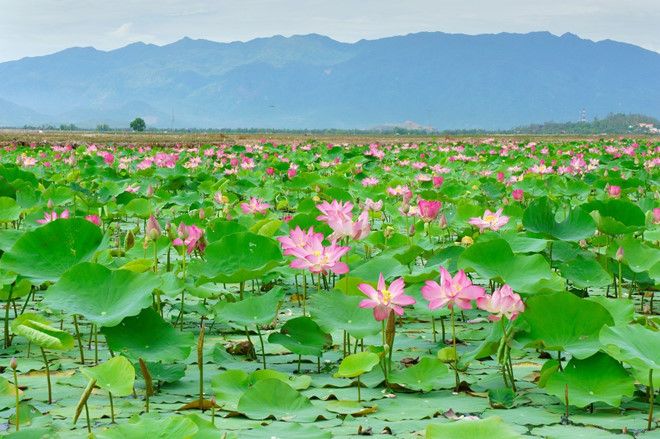
Situated at the heart of the Dong Thap Muoi wetland ecosystem, vast lotus fields stretching across dozens of hectares draw both domestic and international visitors. During the blooming season, the vibrant pink blossoms blend harmoniously with green rice paddies and cajuput forests, creating a serene and picturesque rural landscape.
Tourists can participate in authentic activities such as rowing boats to pick lotus, harvesting buds, separating seeds, brewing lotus tea, or learning to cook lotus-based dishes. Many visitors also enjoy taking photos amid the expansive flower fields. Local households have thoughtfully invested in tourism infrastructure – including motels, homestays, rustic eateries, and scenic miniatures – to enhance the visitor experience.
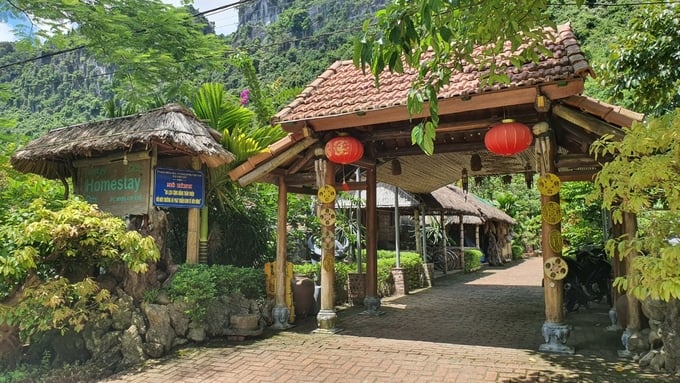
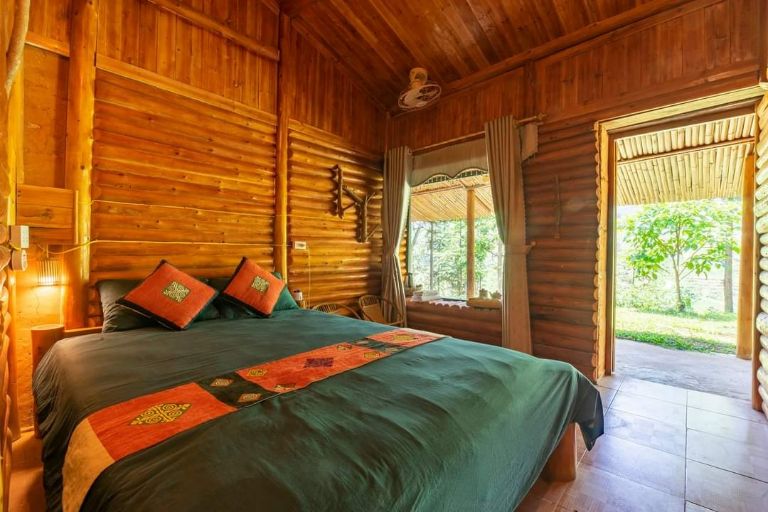
Well-known community tourism models such as Sen Hong Homestay, Sen Viet Farmstay, and Dong Thap Muoi Lotus Village have become recognizable brands. Their “homes in lotus gardens,” built with natural materials, offer a sense of warmth and harmony with the environment.
Lotus Cuisine: The Culinary Essence of the Countryside
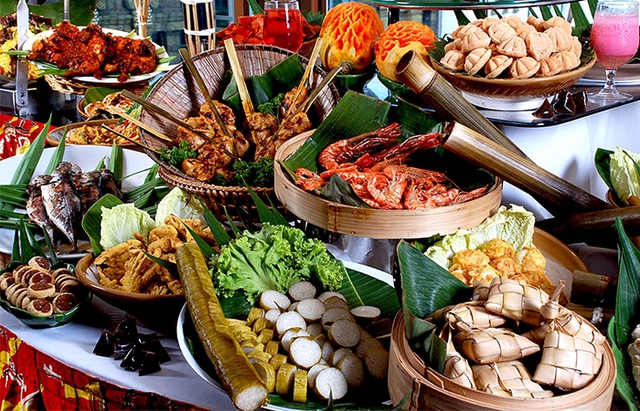
Lotus-based cuisine is one of the region’s most distinctive attractions. From roots and seeds to shoots and petals, every part of the lotus is transformed into rustic yet refined dishes such as lotus leaf steamed rice, lotus root salad with shrimp and pork, lotus seed spring rolls, and longan sweet soup with lotus seeds. New creative dishes – like lotus root pancakes and lotus seed milk tea – further enrich the menu.
Rustic restaurants around the lotus fields, including Sen Que, Nha La Dong Thap, and Sen Dong Cuisine, have become favorite stops for visitors. Each dish not only carries the characteristic flavors of the Southwest but is also artfully presented, made from ingredients freshly sourced from nearby lotus ponds. This creates a meaningful “from lotus field to table” culinary experience.
Photography and Creative Experiences
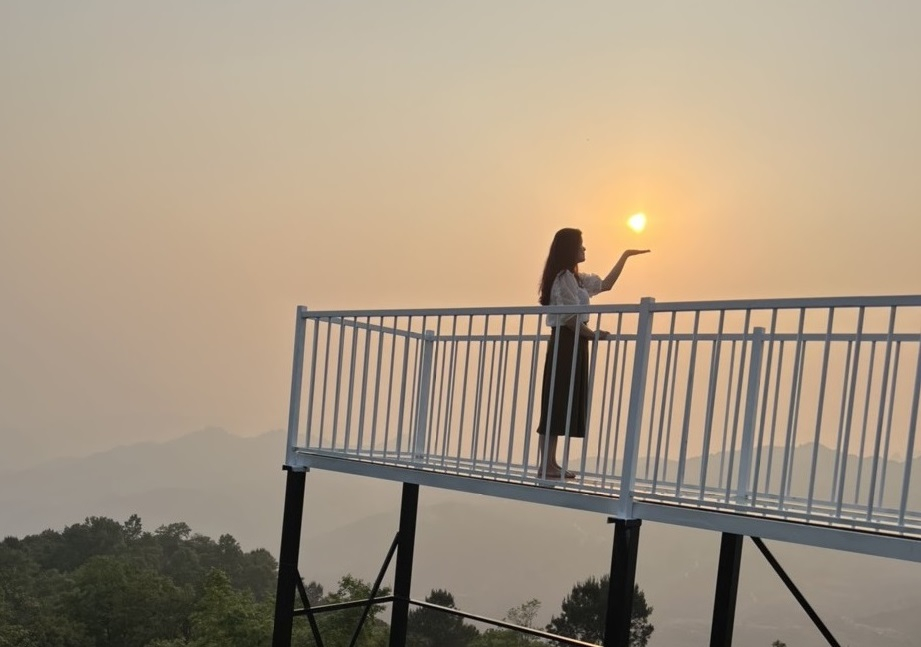
Between April and August, the blooming season turns lotus fields into natural photo studios for countless visitors and photographers. Local households have invested in bamboo bridges, thatched huts, wooden walkways, and traditional costumes like Ao Ba Ba, Ao Dai, and conical hats to support photography activities. They also organize hands-on workshops such as wrapping lotus tea, making lotus seed cakes, and producing essential oils or cosmetics from lotus.
The peaceful scenery, warm hospitality, and gentle, nature-based tourism style have transformed Dong Thap Muoi into a standout destination for agricultural tourism in the Mekong Delta.
Sustainable Development Linked with OCOP and the Local Economy
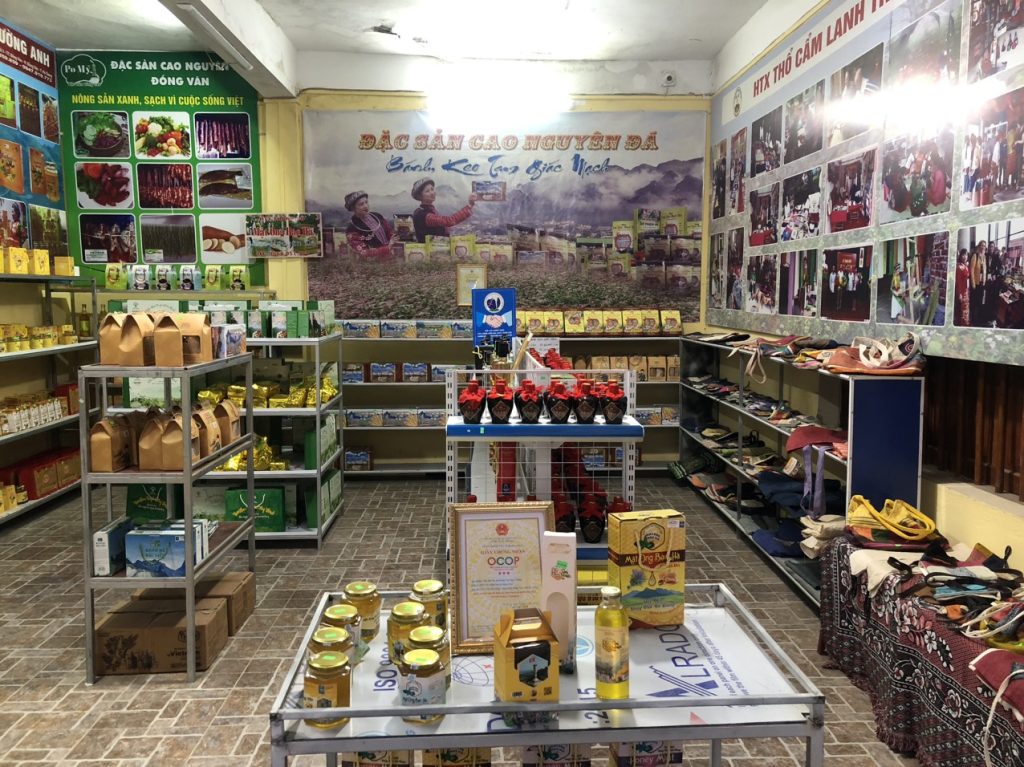
Alongside tourism, many local businesses have developed lotus-based OCOP products such as lotus heart tea, essential oils, seed cakes, wine, jam, and tea bags. These items, attractively packaged, are widely sold at tourist sites and local specialty centers.
Local authorities are steering the expansion of lotus-based eco-tourism clusters in a sustainable direction, encouraging investment in infrastructure, experiential services, cuisine, and tour connections across the region.
The “lotus tourism – lotus cuisine – agricultural experience” model stands as a notable example of harmonizing agriculture and tourism. By fully unlocking the value of the lotus plant, Dong Thap Muoi is creating a distinctive tourism identity, supporting rural livelihoods, and elevating the image of Dong Thap as a peaceful, creative, and culturally rich destination.
Tourism Information Technology Center