(TITC) – In the Mekong Delta, where the rhythm of agricultural life flows through every canal and garden, rustic dishes are not only food but cultural symbols. Among these, Pia cake and bun nuoc leo (noodle soup) have gradually evolved into unique culinary tourism products in Can Tho City, combining traditional craft, local flavors, and hands-on visitor experiences.
Pia Cake Craft Village: From Production to Tourism
Originally introduced from Chinese culture in the 19th century, Pia cake has been adapted over generations to reflect the tastes and techniques of the Mekong Delta. Today, it is more than a gift or dessert – it has become a centerpiece of experiential tourism.
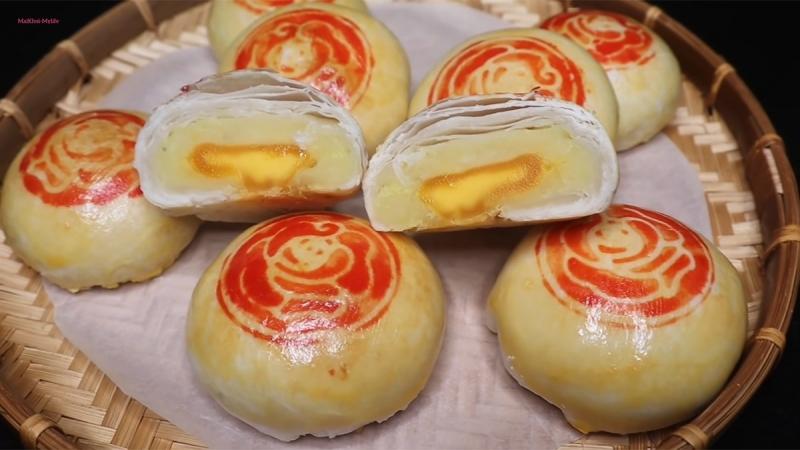
In the expanded Can Tho area, which now includes parts of Soc Trang and Hau Giang, many Pia cake establishments have been upgraded to attract visitors. Tourists can observe the entire production process: kneading dough, rolling the crust, preparing fillings such as green beans, durian, or salted egg yolks, baking, packaging, and tasting freshly made cakes.
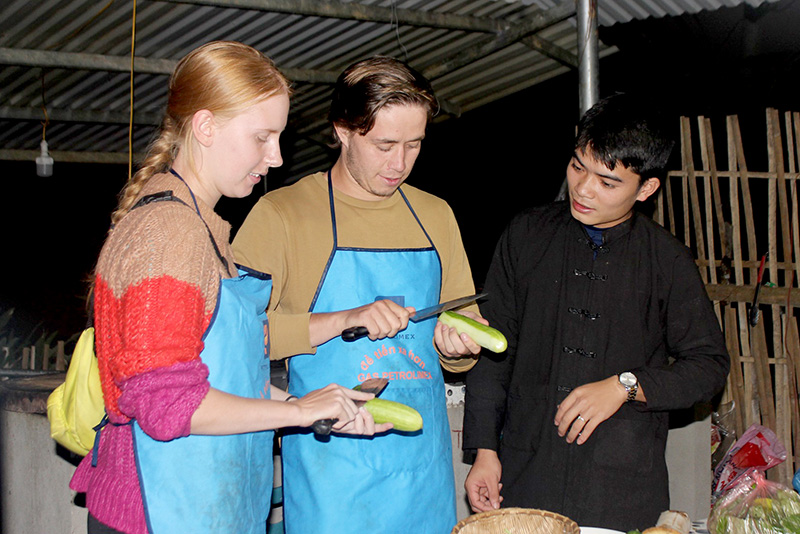
Some establishments offer interactive workshops where visitors wear artisan uniforms, shape the crust, select fillings, mold the cakes, and take their creations home as souvenirs. These experiences allow tourists not only to enjoy the cakes but also to engage directly with the local culinary culture, creating lasting connections with the people and traditions of the Mekong Delta.
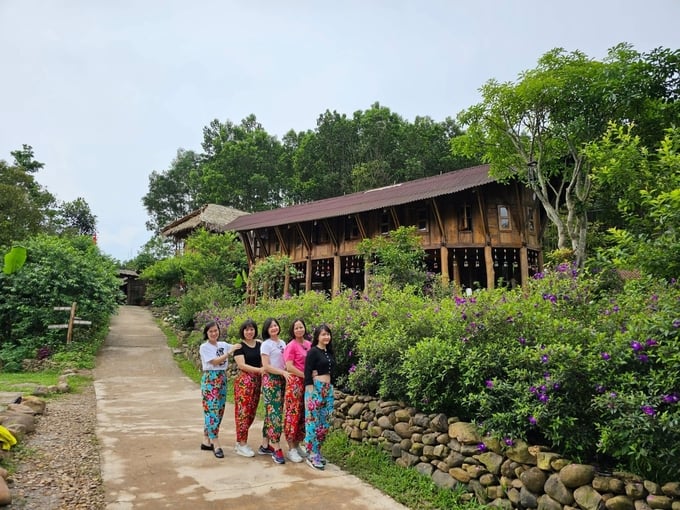
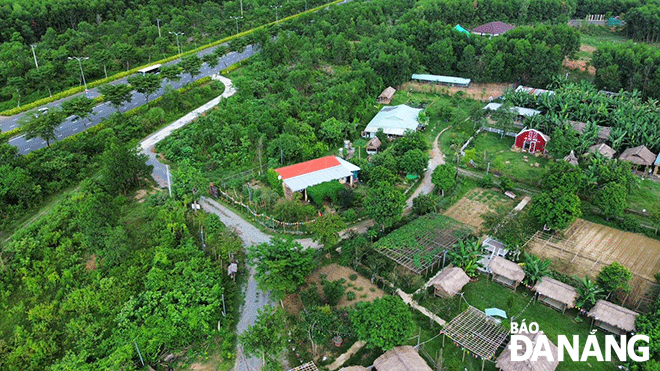
The craft village area is more than a production space – it includes traditional houses, a Pia cake history display, cafes, and shopping areas, forming a compact and immersive countryside destination for culinary tourism.
Bun Nuoc Leo: A Culinary Journey into Community Life
Alongside Pia cake, bun nuoc leo has emerged as a signature culinary experience in the riverside and rural areas of Can Tho. A bowl of this noodle soup combines fragrant broth made from fish sauce, beef, shrimp, snakehead fish, roasted meat, and fresh vegetables, offering a rich, layered taste of the delta.
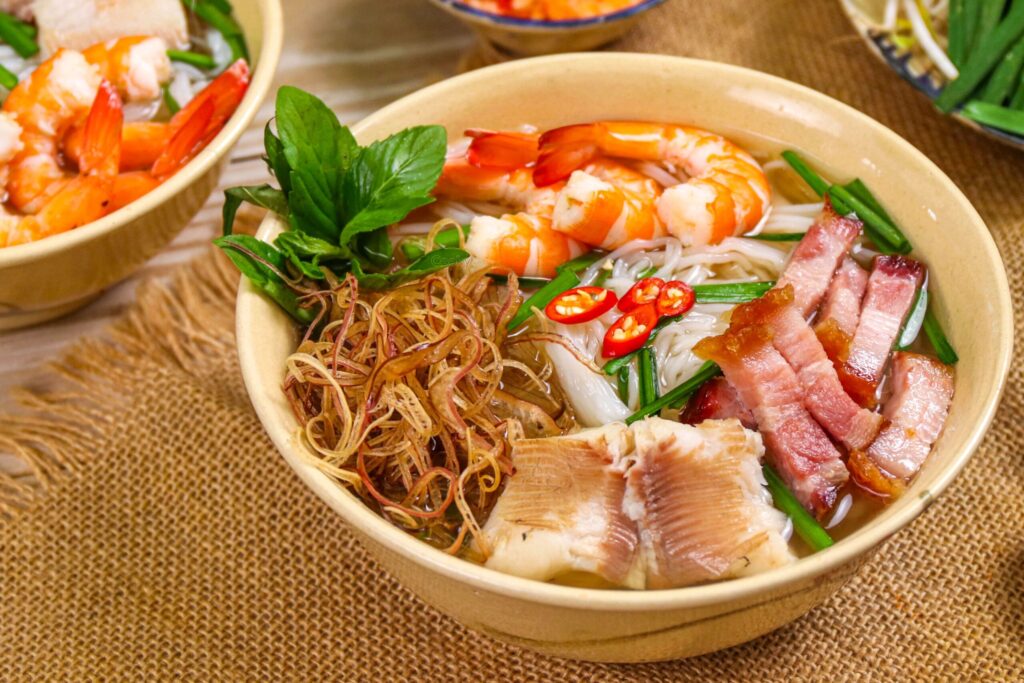
Visitors are invited to participate in the preparation: selecting ingredients, observing broth cooking, learning flavor combinations, and assembling the noodle bowl. Some local workshops organize short classes, allowing groups to fully immerse themselves in the art of making Khmer-style bun nuoc leo. This transforms culinary tourism into an interactive, educational experience, where enjoying the dish is paired with understanding its cultural roots.
Community Stories and Local Identity
The rural space of the Mekong Delta is inherently simple and welcoming. In the Pia cake village, mornings begin with the hum of artisans at work – the ovens gently smoking, the sweet aroma of cake filling drifting through wooden houses. Visitors witness these scenes firsthand, sharing in the labor, listening to artisans’ stories, and gaining insight into a centuries-old craft that embodies local pride and diligence.
Similarly, each bowl of bun nuoc leo reflects a series of careful steps, from selecting fish and shrimp to preparing the broth and arranging vegetables. Tourists who participate in cooking become part of a cultural exchange, experiencing the daily life, work ethic, and culinary heritage of the delta community.
Bridging Agriculture and Tourism
From the fragrant Pia cakes to the rich, flavorful noodle bowls, Can Tho’s culinary craft village exemplifies the synergy between agriculture and tourism. Visitors do not merely observe – they take part, learn, and share in the traditions of the Mekong Delta. The village serves as a bridge connecting locals and tourists, turning daily labor and regional cuisine into an immersive cultural experience.
By combining production, participation, and enjoyment, the Pia cake and bun nuoc leo craft village highlights the potential of culinary tourism to preserve heritage, enhance livelihoods, and promote the unique identity of the Mekong Delta.
Tourism Information Technology Center