(TITC) – Located along the gentle Tra Khuc River, Le Vang village (Quang Ngai province) has emerged as a bright spot in developing rural tourism rooted in the cultural identity of Vietnamese villages. Once a purely agricultural community, Le Vang has transformed into a model of community–based tourism, helping revive traditional values while creating sustainable livelihoods for local residents.
A Village Rich in Cultural and Natural Charm
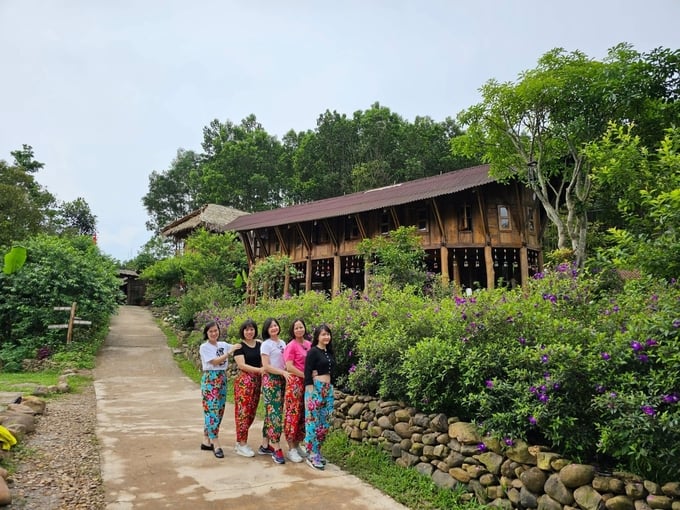
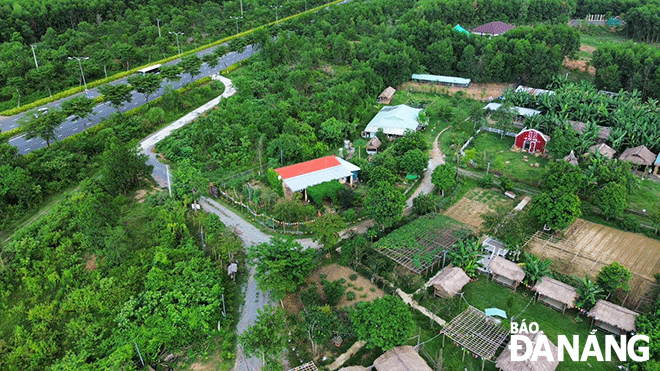
Le Vang is known for its peaceful countryside landscape: winding lanes shaded by bamboo, vast rice fields, fish ponds, orchards, and ancient houses roofed with mossy tiles. The people of Le Vang remain deeply connected to traditional ways of life, including making rice paper, hand–cooking sugar, weaving mats, and performing folk arts. This authentic rural environment forms the foundation of the village’s tourism identity.
Recognizing its potential, local authorities and residents worked together to develop a community tourism model centered on “village – people – local products.” With support from the One Commune One Product (OCOP) program and Quang Ngai’s rural tourism development strategy, Le Vang has shaped an approach distinct from conventional tourist destinations.
Community–Based Organization and Skill Development
The Le Vang Community Tourism Cooperative was formed to gather households willing to participate in tourism. Members received training in hospitality, communication, service management, product promotion, and especially cultural and environmental preservation. Each household plays a specific role – from welcoming guests and guiding experiences to cooking meals and presenting handicraft products – ensuring that tourism benefits are shared widely.
Turning Daily Life into Tourism Experiences
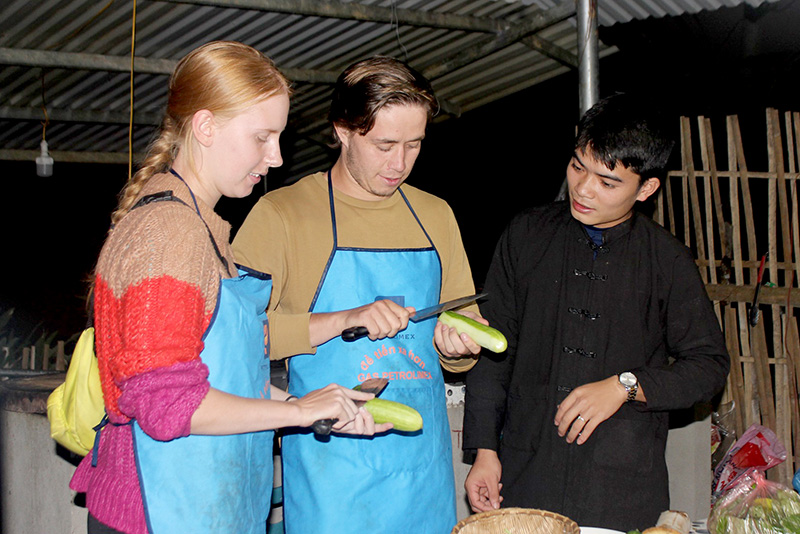
Le Vang has successfully transformed everyday rural activities into engaging visitor experiences. Tourists can walk through rice fields and vegetable gardens, visit fish ponds, plant or harvest produce, or join hands-on workshops such as rice paper making, ginger candy cooking, and peanut oil pressing – traditional crafts still practiced in the village.
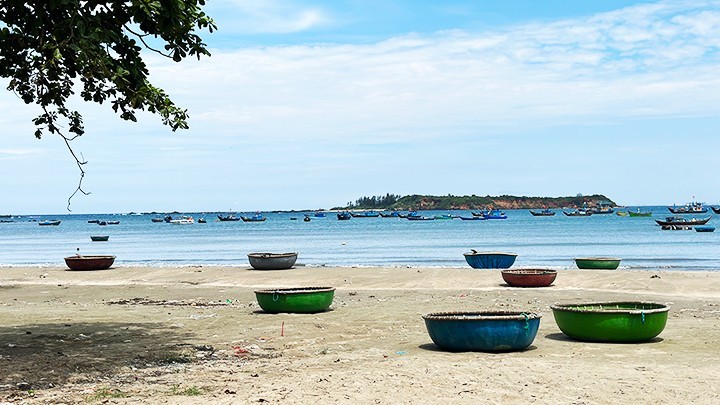
Short tours combine cycling along bamboo-lined paths, rowing on the Tra Khuc River, and enjoying rustic local dishes such as pepper-braised goby, banh xeo, and boiled vegetables with fish sauce. Schools and youth groups increasingly choose Le Vang as an experiential learning destination, making tourism not only recreational but also educational.
Enhancing Local Products Through Tourism
Linked closely with the OCOP program, Le Vang has developed strong branding for local specialties such as rice paper, ginger candy, peanut oil, sim wine, and organic vegetables. These products are packaged and sold directly in the tourism experience area, helping stabilize consumption channels and increase agricultural value. Some households have expanded production and built integrated chains of production – tourism – consumption, effectively creating a circular rural economy.
Preserving Rural Landscape and Cultural Heritage
A key achievement of Le Vang is maintaining its authentic rural character. Villagers collectively agreed not to build modern concrete structures within the tourism zone, preserving village roads, bamboo groves, wooden gates, and traditional tiled roofs. Homestays use local materials such as wood, bamboo, and rattan, creating a harmonious and familiar countryside atmosphere.
The village also organizes folk song and folk game activities, displays traditional tools, and reproduces local customs – all performed by residents. These activities not only enrich the visitor experience but also help pass cultural knowledge to younger generations.
Sustainable Development Orientation
Looking ahead to 2026–2030, Le Vang plans to expand its tourism scale while improving service quality. Priority areas include training young human resources, applying digital tools for promotion, building linkages with nearby destinations such as Sa Huynh and My Khe, and developing eco–routes along the Tra Khuc River. The village also aims to become a green tourism model committed to eliminating plastic waste and protecting the natural environment.
From a modest agricultural community, Le Vang has shown that rural tourism is not merely an economic opportunity but also a meaningful way to preserve village culture, foster local pride, and promote sustainable, nature-friendly living.
Tourism Information Technology Center