(TITC) – The southern route of the Non Nuoc Cao Bang UNESCO Global Geopark presents a distinctive palette of experiences, emphasising historical values, geological imprints, and insights into the daily lives and productive activities of local communities in the modern era. Comprising 13 heritage sites, each stop offers its own colour and story, allowing visitors to gain a deeper understanding of the cultural layers and the mesmerising natural landscapes that define this region.
Hoang Dinh Giong Memorial House
The memorial house is closely associated with the childhood of Hoang Dinh Giong (1904-1947), a steadfast communist revolutionary and an eminent son of Cao Bang. The site preserves many valuable documents and artefacts relating to his early life, years of dedication to the revolutionary cause, the period of exile in Africa, as well as the time he spent working and ultimately sacrificing his life on the southern front. In 1998, the Party and the State posthumously awarded him the Ho Chi Minh Order; that same year, the memorial house was recognised as a national historical site. In 2009, he was honoured as a Hero of the People’s Armed Forces, and in 2018, the Politburo listed him among the exemplary early leaders of the Party and the Vietnamese revolution.
Dong Khe Stronghold Relic Complex
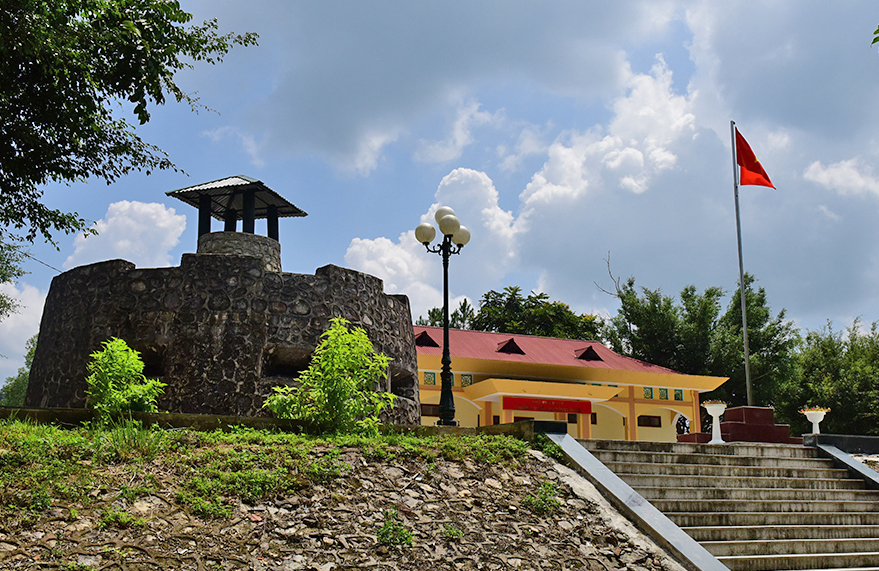
Dong Khe base relic cluster (Photo: Collection)
Fossil Lake
This area preserves traces of an ancient river–lake–swamp environment dating back approximately 28-38 million years, notable for its astonishingly diverse flora and fauna. The sedimentary processes of this ancient landscape created layers of fossil-bearing deposits, many of which have become visible through natural erosion. Numerous small fossils have been discovered here, demonstrating the rich biodiversity of the past. Most fossils originate from plant remains, many transformed into lignite and from freshwater molluscs such as gastropods and bivalves.
Van Trinh Heritage Forest
Covering 9.03 hectares in Thach An district, this forest is home to ancient Burretiodendron trees (known locally as “nghiến”), some reaching diameters of up to five metres. This species, found only in limestone mountain ranges of northern Vietnam and parts of China, is classified as “endangered” on the IUCN Red List. Besides Burretiodendron, the forest harbours many large timber species and valuable medicinal plants such as Gynostemma pentaphyllum and Paris polyphylla. A shrine within the area, known to locals as “dong slấn” (sacred forest), is visited annually by villagers who pray for peace and good harvests. In 1973, the area was used as a detention site for American pilots, enclosed on three sides by limestone mountains and featuring stone-built structures with concrete roofs.
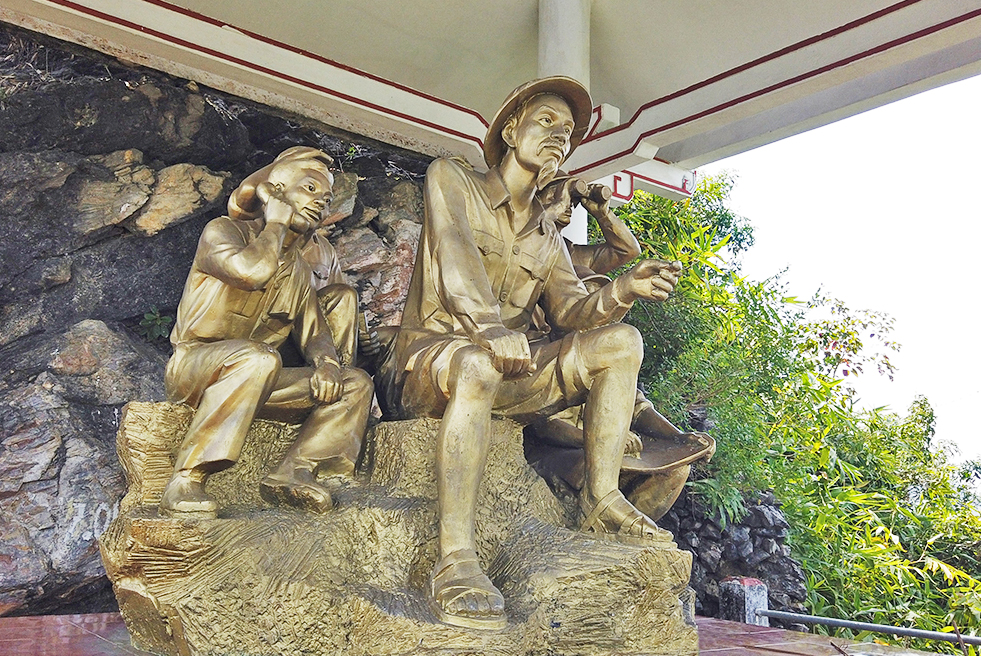
Statue of President Ho Chi Minh observing and directing the Dong Khe front on top of Bao Dong mountain (Photo: Collection)
President Ho Chi Minh Statue Overlooking the Dong Khe Battlefield
Dong Khe Fort Relic Site
The historical relic of Dong Khe Fort is linked to the victory of Dong Khe, the opening battle of the 1950 Border Campaign during the resistance war against French colonial forces. Vietnamese troops successfully destroyed the stronghold, with many heroic figures such as La Van Cau, Tran Cu and Ly Viet Muu distinguishing themselves. To help visitors visualise this historic event, several features have been reconstructed, including the Dong Khe Victory Exhibition House, watchtower bunkers, underground shelters, barbed-wire fences and soldier barracks. The site also serves as a place of remembrance for fallen soldiers at the Dong Khe Martyrs’ Cemetery. In 2017, the complex was recognised as a Special National Relic.
Bao Dong Peak
Located in the Ho Chi Minh Relic Cluster in Duc Long commune, Bao Dong Peak served as the observation point of the Command Headquarters during the 1950 Border Campaign. On 16 September 1950, President Ho Chi Minh observed and directed the assault on the Dong Khe stronghold from this very spot, the first and only time he personally went to the frontline. From the peak, visitors enjoy sweeping views of dramatic limestone karst mountains, illustrating the transition from young to mature karst formations. It is a defining highlight of the “A Time of Fire and Flowers” route.
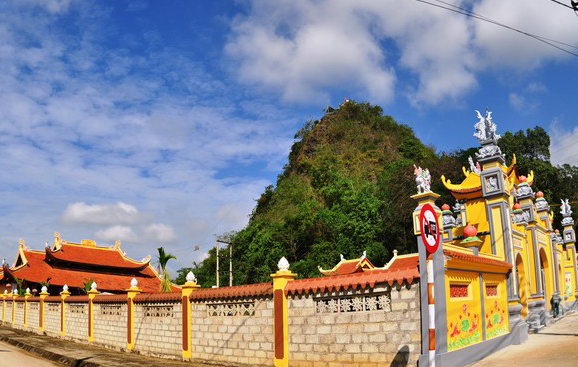
Truc Lam Ta Lung Buddhist Pagoda (Photo: Collection)
Truc Lam Ta Lung Buddhist Pagoda
Located near the Ta Lung International Border Gate, Truc Lam Ta Lung Pagoda is a spiritual landmark meeting the religious needs of local residents while enriching Cao Bang’s cultural identity. Built between 2014 and 2018 at the foot of Mount Phja Khoang, the complex includes sanctuaries dedicated to Bodhisattvas, revered monks, the Truc Lam patriarchs, Tran saints and President Ho Chi Minh. A prominent feature is the statue of the Goddess of Mercy atop Mount Phja Khoang. Visitors come not only to pray for peace, health and prosperity but also to enjoy the serene atmosphere.
Exploring the “A Time of Fire and Flowers” route, travellers also encounter remnants of ancient oceans, traces of prehistoric volcanic activity, the Ta Lung International Border Gate, and stirring stories along historic Route 4, once ablaze with battles and courage.
Tourism Information Technology Center