(TITC) – At the foot of the majestic Chu Dang Ya volcano, Chu Dang Ya commune in Chu Pah district has recently emerged as an appealing destination for tourists from across the country and abroad. Renowned for its vibrant yellow wild sunflower season, the area has gained further recognition for its innovative model combining flower cultivation with community-based tourism – a new approach creating sustainable livelihood opportunities for the local Jrai ethnic community.
From Red Basalt Soil to Colorful Flower Fields
In the past, the land at the foot of Chu Dang Ya mountain was primarily devoted to coffee, cassava, and corn. While fertile, production was fragmented, and incomes were unstable. Recognizing the region’s year-round cool climate and scenic landscapes, local authorities encouraged residents to diversify by cultivating ornamental flowers alongside tourism initiatives.
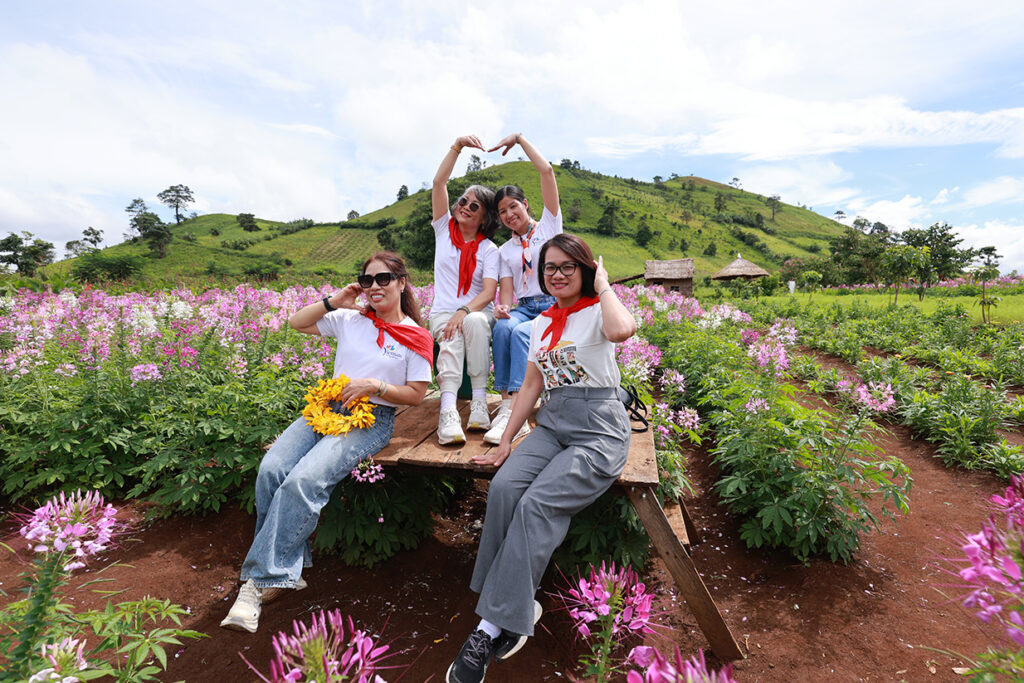
Since then, many households have planted flowers with high aesthetic value, including butterfly wings, sunflowers, lavender, heather, cosmos, daisies, and hybrid wild sunflowers on hillsides, valleys, and along roads leading to the volcanic area. During the blooming season, the landscape transforms into a dazzling patchwork of color – yellow sunflowers, purple heather, white daisies, and pink butterfly wings – creating a floral panorama amid the forest that captivates visitors.
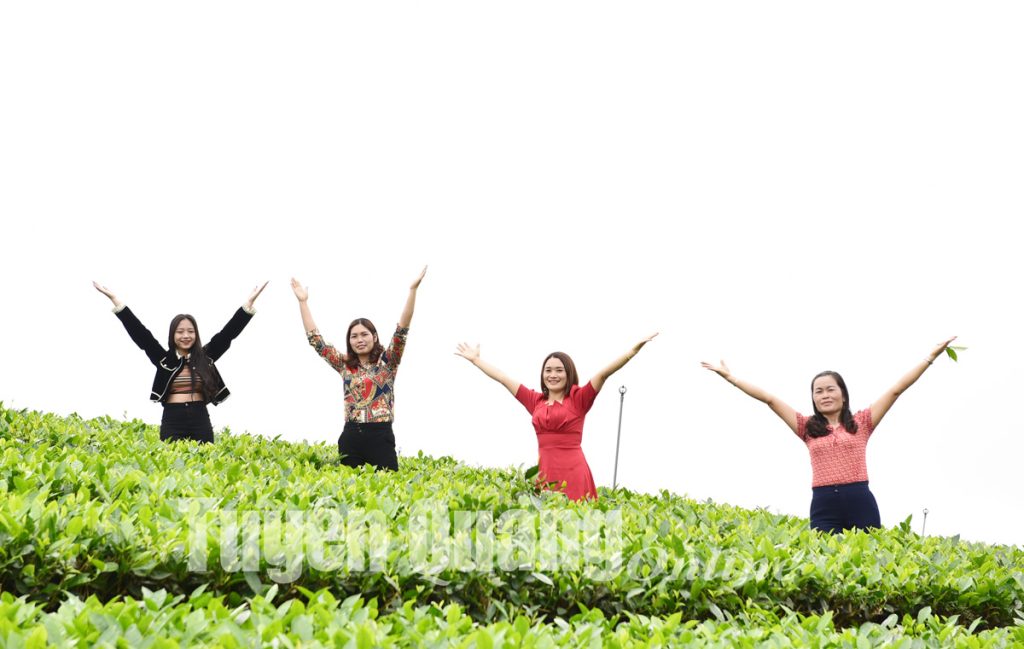
Beyond visual appeal, many flower gardens are designed as photo spots, check-in areas, and interactive spaces where tourists can participate in flower planting and arrangement. These attractions draw young travelers, photographers, and international visitors alike.
Community Tourism Blossoms Alongside Flowers
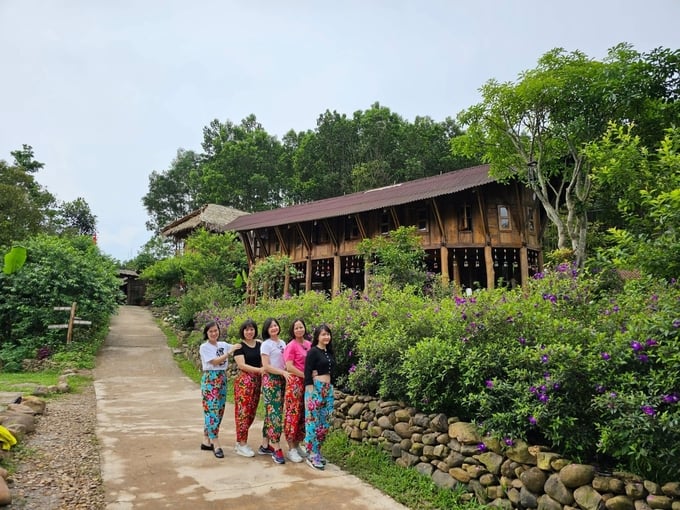
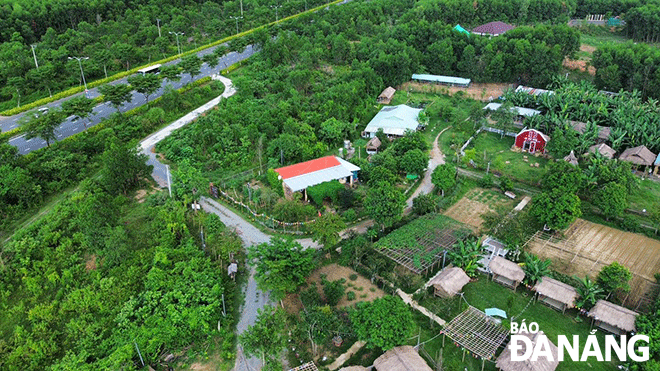
The integration of flower farming with eco-tourism has reshaped Chu Dang Ya’s local economy. Residents now supplement income by selling flowers, offering sightseeing services, and hosting tourism activities at home, such as homestays, small cafes, and stalls selling agricultural products and souvenirs.
During the Chu Dang Ya Wild Sunflower Festival, households decorate flower-lined streets, showcase OCOP products, and introduce local specialties, including coffee, wild honey, rice wine, bamboo rice, and grilled chicken. These modest yet vibrant stalls reflect the Jrai people’s hospitality and creativity.
This model has boosted local incomes by two to three times compared to traditional crop cultivation and provided stable employment for youth. Equally important, it fosters awareness of environmental protection, preserves landscapes, and safeguards indigenous culture – key foundations for sustainable tourism.
Ecological and Cultural Experiences for Visitors
Tourism at Chu Dang Ya offers more than flower viewing and photography. Visitors can immerse themselves in Jrai culture, hear the legend of the million-year-old volcano, engage in gardening and flower picking, and enjoy rustic local cuisine.
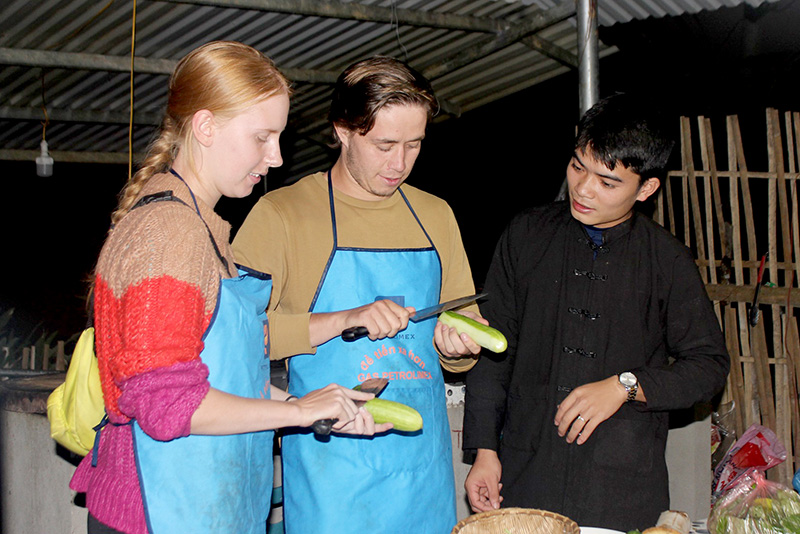
Afternoons are particularly magical, as golden sunlight bathes the mountainsides while gongs and drums resonate from nearby villages, mingling with the fragrance of blooming flowers. Tourists, especially from overseas, cherish experiences such as “a day as a Jrai farmer,” which offer an authentic glimpse into local life. Flower growers also organize small tours exploring the crater, complemented by coffee tastings amidst the floral fields.
The success of this model is inspiring nearby areas to replicate it, forming a network of eco-tourism destinations linked with local agricultural products and creating a sustainable tourism ecosystem in the Central Highlands.
Tourism Information Technology Center