(TITC) – Nestled within the majestic western Truong Son mountain range, Kon Trang Long Loi village (Dak Long commune, Kon Plong district – now part of Quang Ngai province after the administrative boundary adjustment) stands as a “green gem” where the cultural identity of the Xo Dang people is carefully preserved.
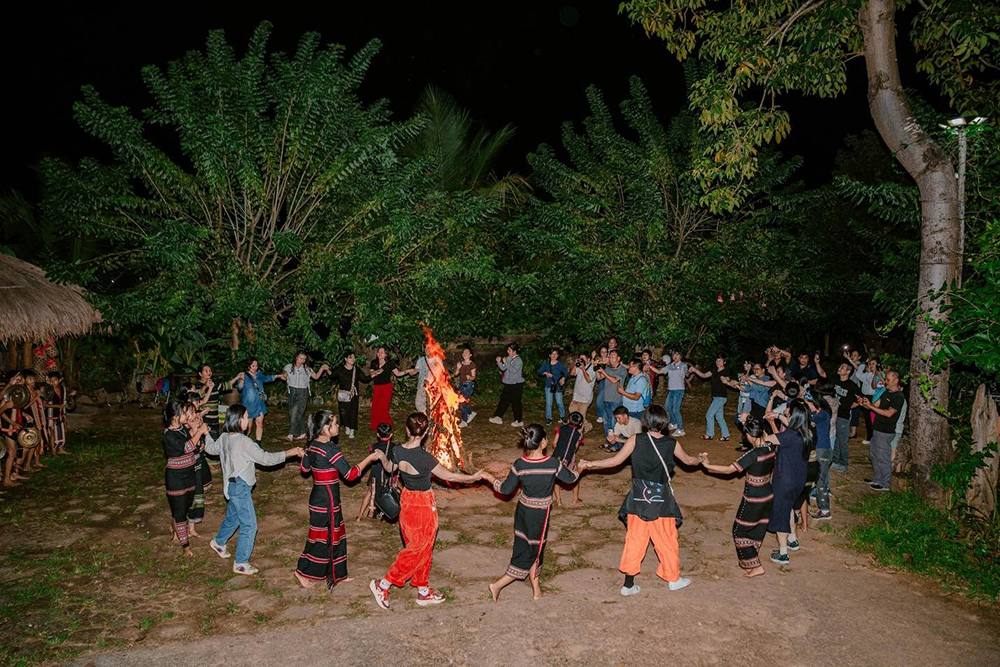
More than just a traditional village, Kon Trang Long Loi is emerging as a model for rural tourism and community-based development – an approach that is gradually transforming the landscape and livelihood of this promising highland region.
A Picturesque Village Amid Mountain Ridges
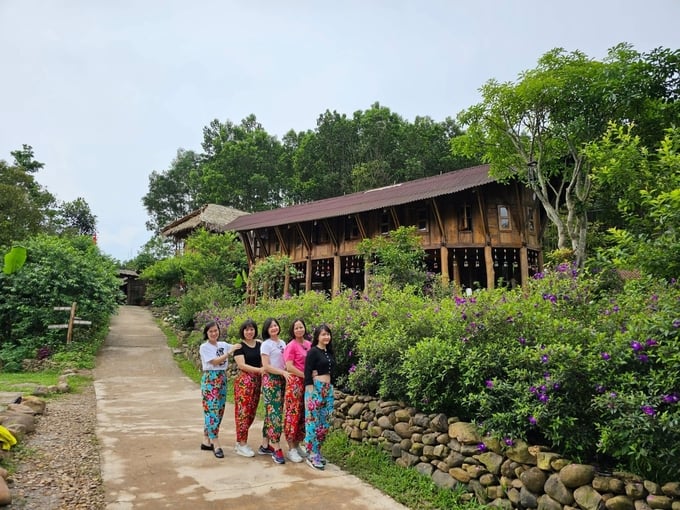
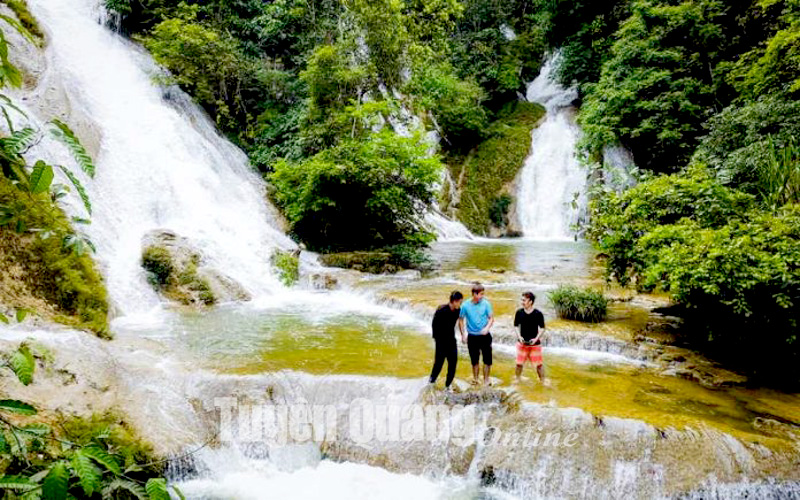
Situated at an altitude of over 1,100 meters, Kon Trang Long Loi enjoys a cool climate year-round and a peaceful, refreshing atmosphere. The village has more than 70 Xo Dang households living in traditional stilt houses, surrounded by terraced fields, pine forests, and small streams winding gently through the settlement.
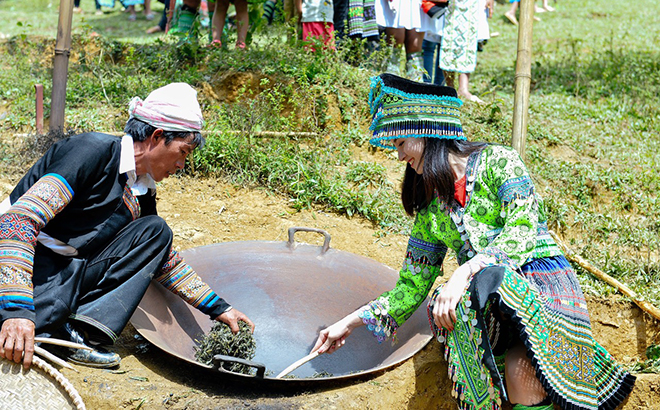
Visitors are often captivated by the village’s understated yet distinctive charm: the resonant sound of gongs echoing across the valley, the imposing communal house at the village center, the sight of Xo Dang women diligently working on brocade looms, and children joyfully playing on wooden porches. Every aspect of daily life reflects the authentic cultural heritage of the highlands.
From Traditional Settlement to a Model of Community Tourism
Recognizing its tourism potential, Kon Trang Long Loi began implementing a “rural tourism and community tourism” model in 2019, in collaboration with local authorities and development organizations. Traditional stilt houses were restored, while selected households received support to upgrade their homes into standard homestays.
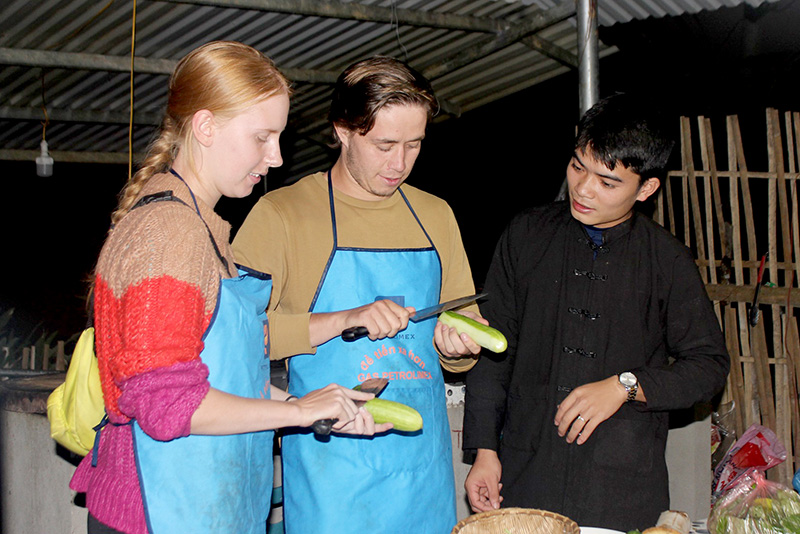
A community tourism team was established and trained in guest reception, guiding services, and product development such as brocade, wine, bamboo rice, and other ethnic specialties. Beyond simply welcoming guests, the village has developed a rich portfolio of experiential tourism activities. Visitors can try brocade weaving, learn to cook traditional dishes, practice playing gongs, pick wild vegetables with villagers, bathe in natural streams, or join cloud-hunting trips on surrounding hills. Each experience fosters connection – with nature, with culture, and with the people themselves.
Rural Tourism: A Catalyst for Highland Economic Growth
The rise of community tourism in Kon Trang Long Loi is not only promoting Xo Dang cultural identity but also creating a new economic pathway for rural highland communities. Many households that once relied solely on farming now earn additional income from tourism services, handicrafts, culinary offerings, and homestays.
According to local statistics, since the introduction of the community tourism model, average household income has doubled. Notably, many young people who had moved away for work are returning to their hometown to become tour guides, participate in cultural performances, and develop OCOP products from local produce.
Infrastructure is also improving. Roads leading to the village have been upgraded and concreted; electricity and clean water systems have been strengthened; and the village landscape is better maintained. These developments enhance both visitor experience and residents’ quality of life, reinforcing the foundation for long-term sustainable growth.
Cultural Preservation for Sustainable Livelihoods
A key strength of Kon Trang Long Loi’s tourism approach is its principle of “community ownership with government support.” All tourism activities are jointly discussed and managed by village members, ensuring that tourism development complements – rather than compromises – the preservation of cultural identity.
Traditional rituals such as the new rice festival, gong festival, and communal house ceremonies continue to be practiced periodically, serving both spiritual purposes and providing unique tourism experiences. Local residents actively maintain communal houses, revive traditional crafts such as weaving and bamboo instrument making, and guide visitors through local customs.
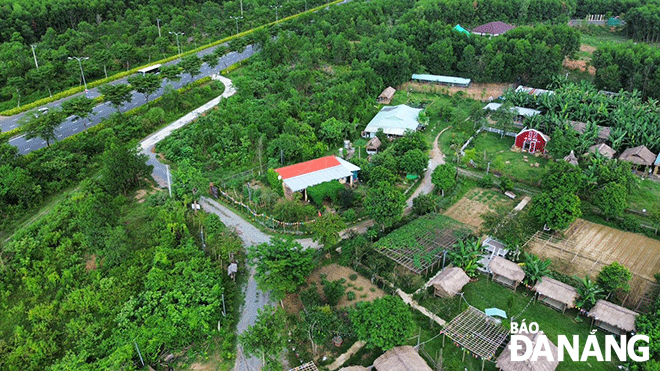
Environmental sustainability is also prioritized. Visitors are encouraged to reduce plastic use and adopt eco-friendly practices. Agricultural zones combine organic vegetables, medicinal plants, and ornamental flowers, creating a clean, green, harmonious landscape.
Tourism Information Technology Center