(TITC) – Nestled in the vast Muong Bi Valley, today part of Muong Bi Commune in Phu Tho Province, Ai Hamlet stands as one of the most authentic and well-preserved traditional Muong settlements in northern Vietnam. Recognised by the Ministry of Culture, Sports and Tourism as a traditional Muong village, Ai Hamlet has recently emerged as an appealing rural tourism destination, offering visitors an intimate glimpse into the everyday life, heritage, and ancestral traditions of the Muong people.
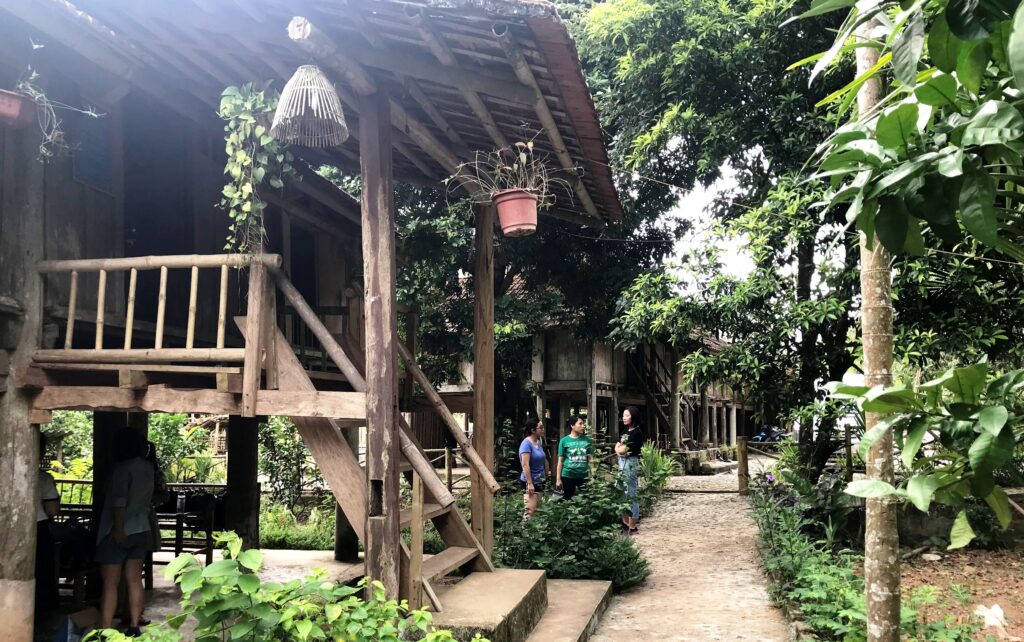
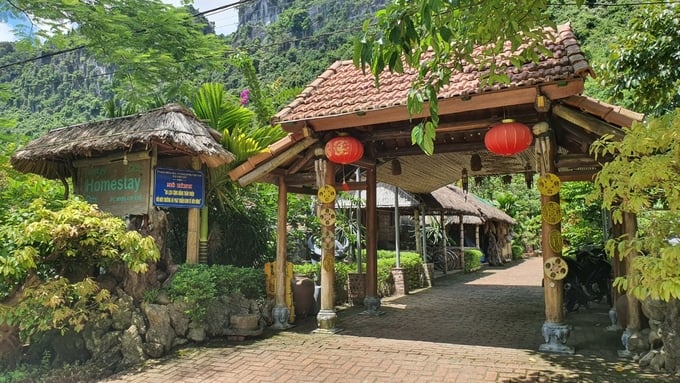
The ancient stilt house serving as a homestay in the border village is surrounded by a cool green garden. Photo: TITC
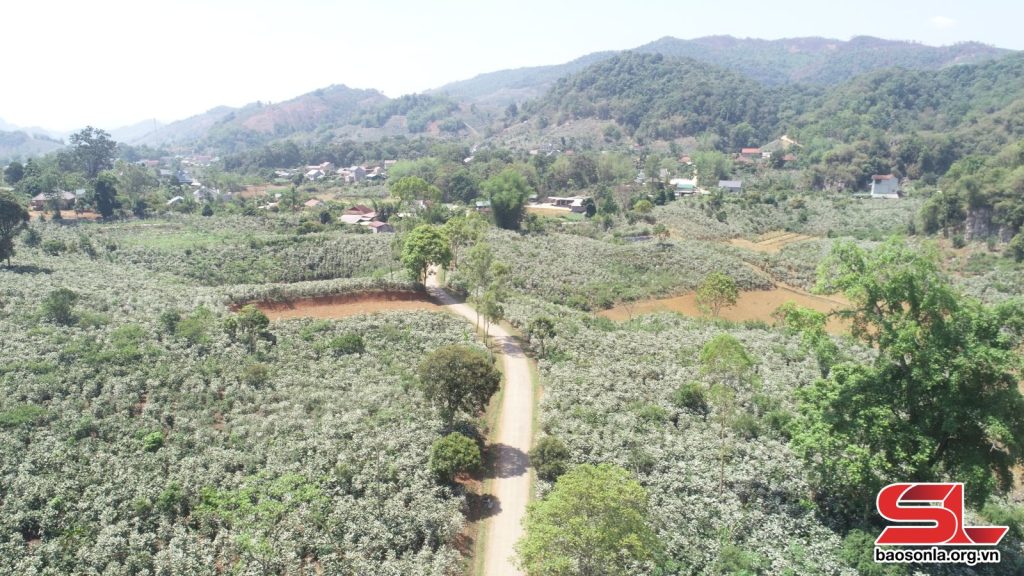
Surrounded by lush fields and rolling mountains, Ai Hamlet retains its distinctive stilt-house architecture, with many dwellings preserved in their original form. Daily life here revolves around rice cultivation, vegetable farming, fishing in nearby streams, caring for livestock and poultry, gathering forest bamboo shoots, and weaving or dyeing fabric. The rhythms of the village are closely tied to well-known local landmarks such as Ai Stream, Khu Doi Mountain, Trang Waterfall, and Trong Lake. Villagers are known for their sincerity and hospitality, and many continue to uphold traditional ways of living. Numerous age-old tools remain in use to this day, including wooden looms, rice-pounding mortars, grain grinders, and other artisanal implements essential to Muong life.
Today, several traditional stilt houses have been adapted into homestays, surrounded by cool gardens and fruit trees. Visitors to Ai Hamlet can participate in a variety of hands-on experiences, engaging directly with the community’s daily activities. Travellers may learn to prepare signature Muong dishes, craft handmade souvenirs from bamboo and rattan, or enjoy folk games traditionally played during festivals. Cooking experiences are particularly popular, allowing guests to try their hand at making ruou can (fermented rice wine sipped through bamboo straws), grilled meats wrapped in pomelo leaves, bamboo shoot dishes, mountain delicacies, forest vegetables, steamed fish, sticky rice, or chicken simmered in sour bamboo shoots. Wandering along the narrow village paths lined with tall trees, visitors can take in the refreshing greenery, observe the weathered wooden stilt houses, and enjoy the peaceful ambience of this rural Muong haven.
The people of Ai Hamlet take great pride in preserving their cultural identity while contributing to the development of a modern, civilised rural community. Homes and gardens are carefully maintained, paths are kept clean, and the village environment reflects both order and tradition. The community cultural house, built in the architectural style of a Muong stilt house, serves as a gathering place for cultural activities, folk performances, and events for tourists. From Ai Hamlet, visitors can also easily connect to other scenic attractions in the Hoa Binh Lake area, including Hoa Tien Cave and Ngoi Hoa Bay.
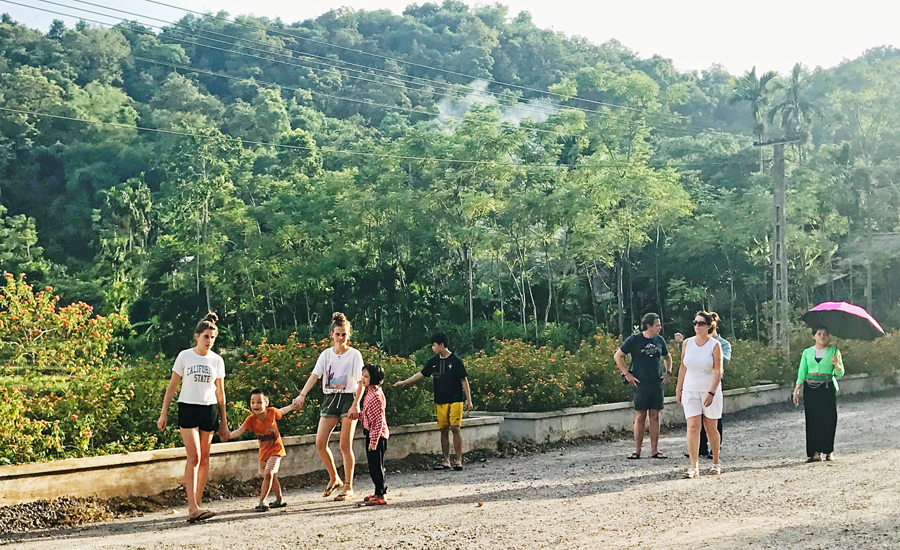
International visitors walk with local children. Photo: TITC
Above all, Ai Hamlet holds a special place in Muong history. It is often regarded as one of the earliest and most important ancestral lands of the Muong people, sometimes even referred to as their cultural homeland. A wealth of intangible heritage has been remarkably preserved here, including Mo Muong chanting, gong music, folk songs, and traditional dances. Ritual songs such as thuong rang, bo meng, and antiphonal singing, along with ceremonial gong repertoires and ancient verses, still play an essential role in village life. Ai Hamlet also hosts many of the Muong people’s most significant festivals, including the Down-the-Field Festival (the ceremonial opening of the agricultural season), the Muong Gong Festival, and the New Rice Festival. The cultural practices of Muong Bi are widely viewed as a benchmark for comparing and understanding Muong traditions across the region. During special occasions, visitors may even witness the ceremonial teams that perform ritual music and traditional rites for the community.
Thanks to the national programme for new rural development, Ai Hamlet has received substantial investment and support, leading to the revitalisation of its infrastructure and landscape. Combined with the local government’s tourism strategy and the villagers’ growing skills in hospitality, Ai Hamlet is becoming a distinctive and thriving community-based tourism destination, one that welcomes travellers seeking authenticity, culture, and the enduring spirit of the Muong people.
Tourism Information Technology Center