(TITC) – Known as the “green lung” of Southeast Vietnam, Cat Tien National Park is celebrated not only as a premier eco-destination but also as a model for tourism that integrates agriculture and rural community development – a direction strongly promoted in Vietnam’s sustainable tourism strategy.
Global Recognition for Ecotourism Excellence
In October 2025, Cat Tien National Park received four prestigious international awards from the Asia Ecotourism Network (AEN) during the “AEN International Ecotourism Awards 2025”: Winner: Biodiversity Conservation. Finalist: Ecotourism Promotion. Finalist: Destination Governance. Finalist: Community Champion
This achievement marks the first time a Vietnamese ecotourism destination has received multiple international honors simultaneously, cementing Cat Tien’s place on the global ecotourism map. Beyond recognition, the awards highlight the park’s dual commitment to nature conservation and rural livelihood development – the essence of sustainable tourism.
Nature as the Foundation of Eco-Agriculture
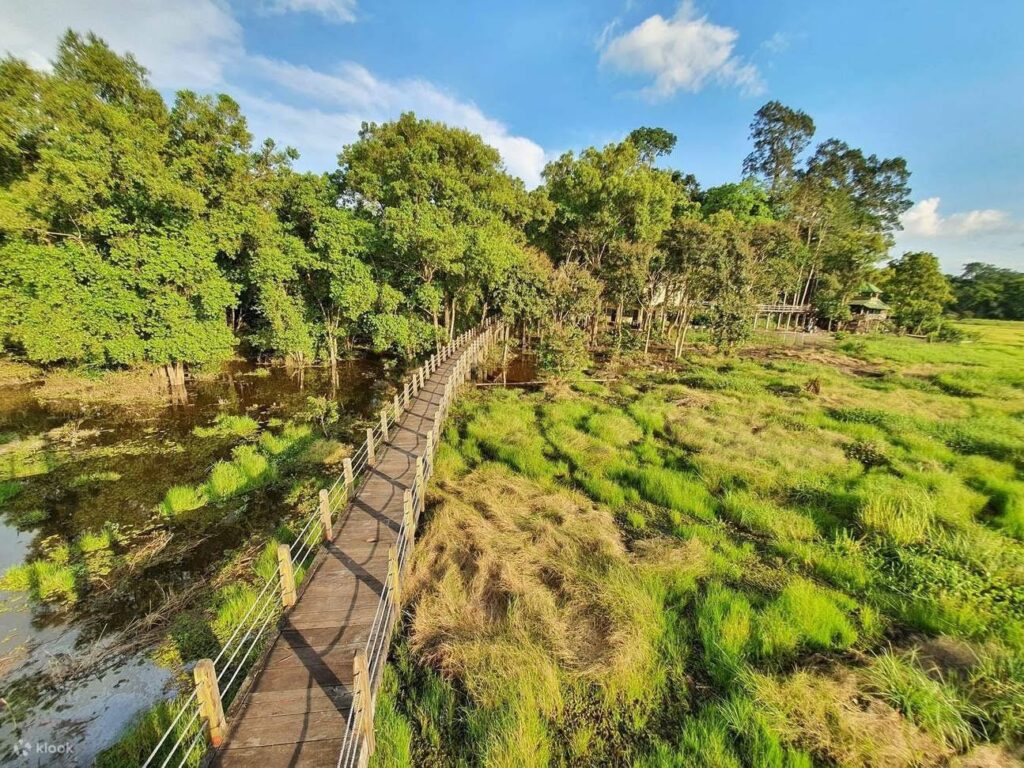
Spanning over 71,000 hectares across Dong Nai and Lam Dong provinces, Cat Tien is home to one of Vietnam’s richest ecosystems, with more than 1,700 animal species and 1,650 higher plant species, including numerous rare species listed in the World Red Book.
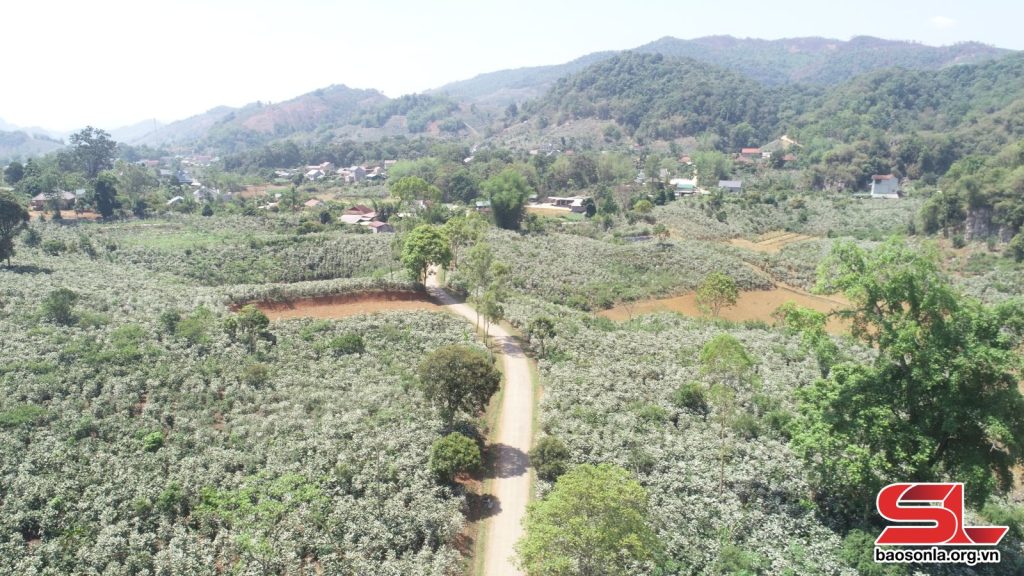
A unique feature of Cat Tien is the seamless intersection of forest and rural life. Ancient forests interlace with rice fields, cashew gardens, coffee and cocoa plantations, and villages of the Ma, S’tieng, K’Ho, and Cho Ro peoples, creating a rare harmony between humans and nature. This setting allows tourism to go beyond “forest visits,” expanding into agricultural and rural experiences where visitors can explore traditional practices within pristine ecological landscapes.
Typical Tourism Models
- Farmer-for-a-Day in Ta Lai (Dong Nai): Tourists plant rice, harvest cocoa, cook with locals, and learn brocade and bamboo weaving.
- Cashew and Coffee Tours in Nam Cat Tien (Lam Dong): Visitors explore sustainable farming processes, enjoy fresh farm coffee, and witness organic cashew production.
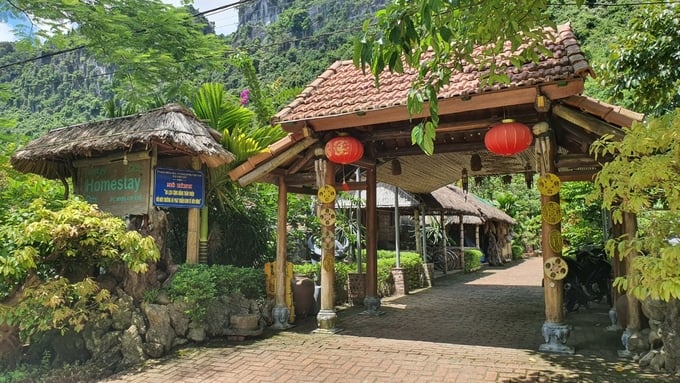
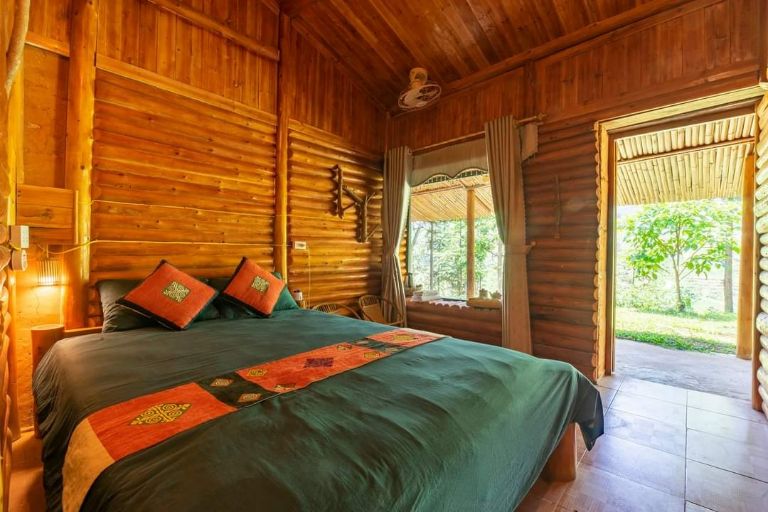
- Community Homestays of the Ma and K’Ho People: Locally managed accommodations provide guided forest treks, waterfall visits, bamboo shoot gathering, fishing, and traditional cooking experiences.
These activities boost local incomes while reducing pressure on forest resources, encouraging communities to actively participate in conservation.
The “Forest – Agriculture – Community” Model
Cat Tien’s strategic approach integrates three elements: Ecological Forest: Protecting rare flora and fauna and maintaining natural habitats. Green Agriculture: Developing buffer zones through organic and ecological farming. Rural Community: Transforming culture, traditional crafts, and cuisine into tourism products.
This model connects nature, agriculture, and community into a sustainable tourism value chain, enabling visitors to sow seeds, harvest crops, weave rattan baskets, and enjoy folk music around campfires – a full immersion in forest-adjacent rural life.
Educational and Experiential Values
Cat Tien also serves as a learning hub: programs such as “A Day as a Forest Ranger,” tree-planting activities, and hands-on organic farming educate students and tourists alike about environmental conservation, sustainable agriculture, and indigenous culture. Ma and S’tieng communities welcome visitors with gong dances, storytelling, and traditional cuisine, enriching the tourism experience.
A Symbol of Harmony
Over the past three decades, Cat Tien has balanced conservation with human development. Today, with its expansion into eco-agricultural tourism, the park stands as both a “heritage garden” and a symbol of next-generation ecotourism – where visitors reconnect with nature, understand sustainable rural life, and witness the harmony between forests, agriculture, and local communities.
With four international awards, Cat Tien confirms its status as Vietnam’s leading “green destination,” while paving the way for sustainable tourism models that combine ecology, agriculture, and rural development nationwide.
Tourism Information Technology Center