(TITC) – Situated along the gentle flow of the Day River, in Dien Xa Commune of Nam Truc District, Nam Dinh Province (now part of Ninh Binh Province), Vi Khe ornamental plant village has long been celebrated as one of the cradles of Vietnam’s art of plant shaping and bonsai creation. With a history spanning more than nine centuries, the village continues to preserve its precious traditional values while simultaneously embracing innovation to elevate Vietnamese bonsai artistry to new heights.
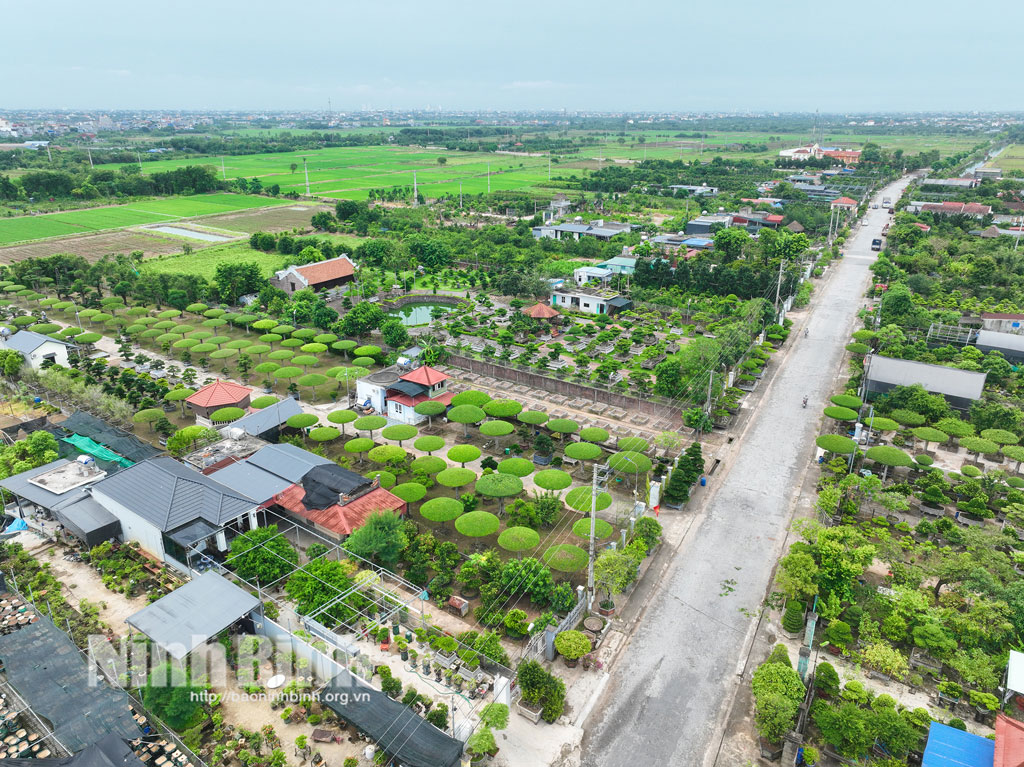
Vi Khe Ornamental Plant Village (Photo: Ninh Binh News)
According to local historical records, To Trung Tu, a mandarin during the Ly Dynasty, is revered as the founding figure of Vi Khe’s bonsai craft. He is said to have brought techniques of planting, grafting, and styling ornamental trees from the imperial capital to the village, sharing his knowledge and skills with local residents. Over generations, these techniques were nurtured, enriched, and refined, forming a unique traditional craft that has become a source of great local pride as well as a stable livelihood for hundreds of households.
Today, visitors to Vi Khe are greeted by vast, meticulously tended gardens where countless bonsai masterpieces display their distinctive forms. From the upright, slanting, cascading, and semi-cascading styles to imaginative shapes representing dragons, unicorns, turtles, phoenixes, and other symbols of Vietnamese culture, the village’s bonsai creations embody both aesthetic refinement and philosophical depth. Many trees are shaped to convey core principles of Eastern philosophy, such as balance, harmony, perseverance, and the cyclical nature of life. Each piece reflects extraordinary craftsmanship, combining delicacy with strength, precision with a sense of natural flow, and artistic intuition with years, sometimes decades, of devoted care.
Beyond its reputation for exceptional bonsai artistry, Vi Khe is also a major supplier of rare plant varieties, shade trees, and decorative indoor plants for markets across the country. Numerous artisans from the village have earned high honours at national and regional ornamental plant exhibitions, further solidifying the standing of the “Vi Khe Ornamental Plant” brand within Vietnam’s horticultural community.
One of the village’s most captivating charms lies in its tranquil, lush landscape. Winding pathways weave between verdant gardens, where the soft sound of pruning shears and the warm conversations of artisans fill the air. The peaceful rhythm of daily life, quiet yet full of creative energy, offers visitors a refreshing escape from urban bustle. For those curious about the traditional bonsai craft, Vi Khe provides the perfect setting to observe artisans at work, appreciate remarkable plant sculptures, and gain insight into the patience, discipline, and artistic vision required to shape living trees into enduring works of art.
As Vietnam’s rural economy undergoes rapid transformation, Vi Khe’s ornamental plant industry continues to affirm its significance by providing stable employment and substantial income for local residents. Many households have expanded their bonsai gardens into experiential tourism models, welcoming visitors to tour their nurseries, explore the craft, and purchase unique plant artworks. These efforts not only help preserve the village’s long-standing traditions but also contribute to promoting its cultural identity to wider audiences.
More than just a craft village, Vi Khe stands as a living testament to the creativity and resilience of Vietnamese artisans. Its bonsai trees, carefully cultivated, shaped, and cherished are not merely decorative objects; they are expressions of cultural heritage, human artistry, and the enduring relationship between people and nature. In every meticulously sculpted branch and every elegantly balanced root, the spirit of Vi Khe continues to thrive, inviting visitors to experience a world where tradition and artistry are harmoniously intertwined.
Tourism Information Technology Center