(TITC) – Thi Tuong Lagoon, the largest natural lagoon in the Mekong Delta, has recently been designated by the People’s Committee of Ca Mau Province as a nearly 2,000-hectare ecological tourism zone. Strategically located among four communes, Song Doc, Tran Van Thoi, Hung My, and Phu My, the project is expected to become a new tourism growth pole and contribute significantly to the province’s ambition of making tourism a spearhead economic sector.
Leveraging natural advantages to develop green tourism
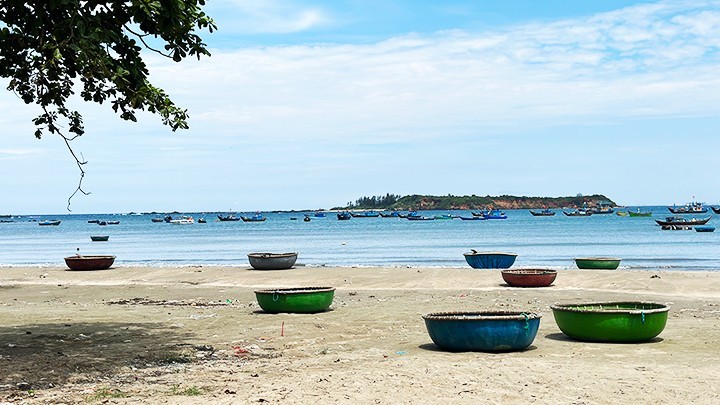
For generations, Thi Tuong Lagoon has been hailed as the “great mirror of the southern sky.” Its vast, seasonally shifting water surface, rich aquatic ecosystem, and unique brackish-water landscape make it one of the region’s most captivating natural sites. Under the new planning framework, Ca Mau Province envisions the development of Thi Tuong Lagoon as an ecotourism and experiential destination, closely linked with the conservation of its natural resources and characteristic lagoon environment.
The master plan clearly identifies several functional zones: tourism areas along the northern and southern banks, existing and expanded residential zones, community-based experience and service areas, a central boat harbour, and a water-and-road transport system connecting the lagoon with National Highway 1 and other key tourism sites. Green corridors along canals, protected water zones, ecological buffers, and climate-resilience measures have been incorporated to ensure sustainable development.
According to the development orientation, Thi Tuong Lagoon is expected to welcome around 500,000 visitors annually by 2030, rising to 1.2-1.5 million by 2040. Tourism infrastructure will be comprehensively invested in, particularly the main boat harbour and connecting routes, making the lagoon more accessible to visitors. With this, the area is poised to become a signature green tourism space for nature lovers seeking to explore the lagoon ecosystem and experience the authentic rhythm of life in the Mekong Delta. Plans also call for the creation of tourism and commercial service hubs, alongside favourable policies to attract domestic and international investors in infrastructure and tourism product development.
Linking tourism development with community livelihood
The development of Thi Tuong Lagoon prioritises not only visitor experience but also community empowerment. Local residents are encouraged to participate in ecotourism services such as operating homestays, providing boat tours, organising traditional fishing activities, showcasing local cuisine, and promoting distinctive regional products. This approach helps increase household income while preserving the cultural identity of the water-based communities.
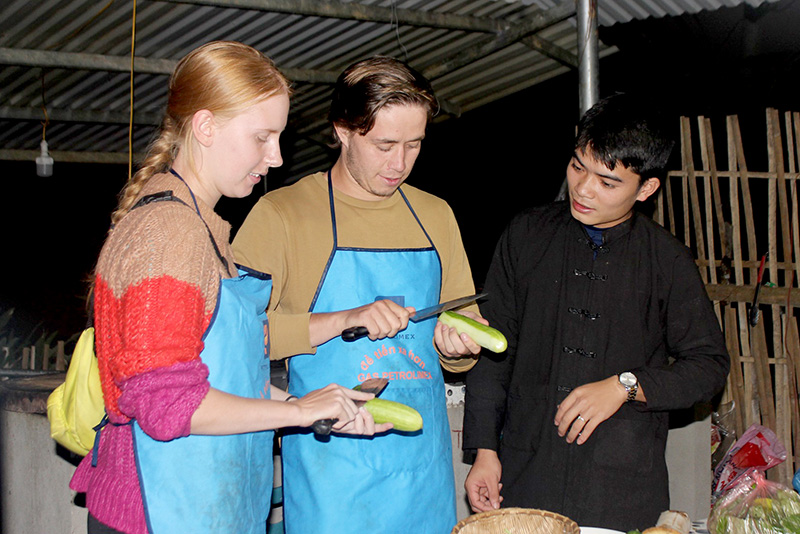
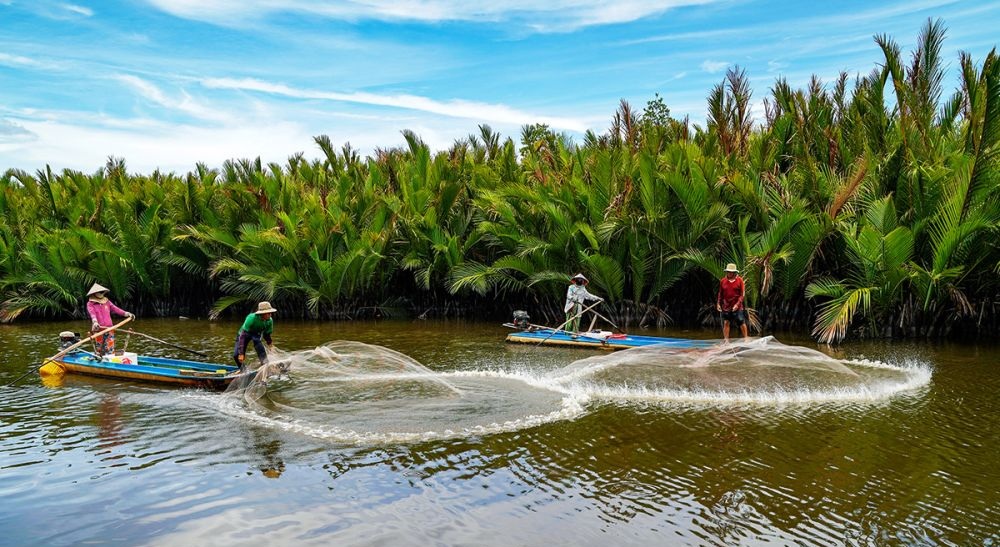
The community-based tourism model at Thi Tuong Lagoon also presents strong opportunities to promote ecological living, green consumption, and the protection of aquatic resources. Visitors can immerse themselves in the daily life of fisherfolk, casting nets, spotting fish at night, catching crabs, or enjoying freshly harvested local delicacies prepared on site.
Amid the global rise of green tourism, Ca Mau has chosen Thi Tuong Lagoon as a highlight to assert its commitment to sustainable development. Its expansive landscape, distinctive ecology, and simple yet vibrant riverine lifestyle gives the lagoon an invaluable tourism resource.
Looking ahead, with well-developed infrastructure and the active participation of local communities in conservation efforts, Thi Tuong Lagoon is set to become a flagship ecotourism destination of the southwestern region, a place where visitors can reconnect with nature, discover local culture, and experience the pristine beauty of Vietnam’s southernmost land.
Tourism Information Technology Center