(TITC) – Amid the bustling rhythm of Vietnam’s capital city, there remains a name that evokes a world of gentle elegance and nostalgic charm: Ngoc Ha Flower Village. Formerly located in Ba Dinh District, near the historic Thang Long Imperial Citadel, Ngoc Ha once stood proudly as one of Hanoi’s most renowned flower-growing villages. Together with Nghi Tam, Nhat Tan, and Quang Ba, it formed the famed “four floral guardians” of ancient Hanoi, an enduring symbol of the city’s refined beauty and horticultural heritage.
Photo: TITC
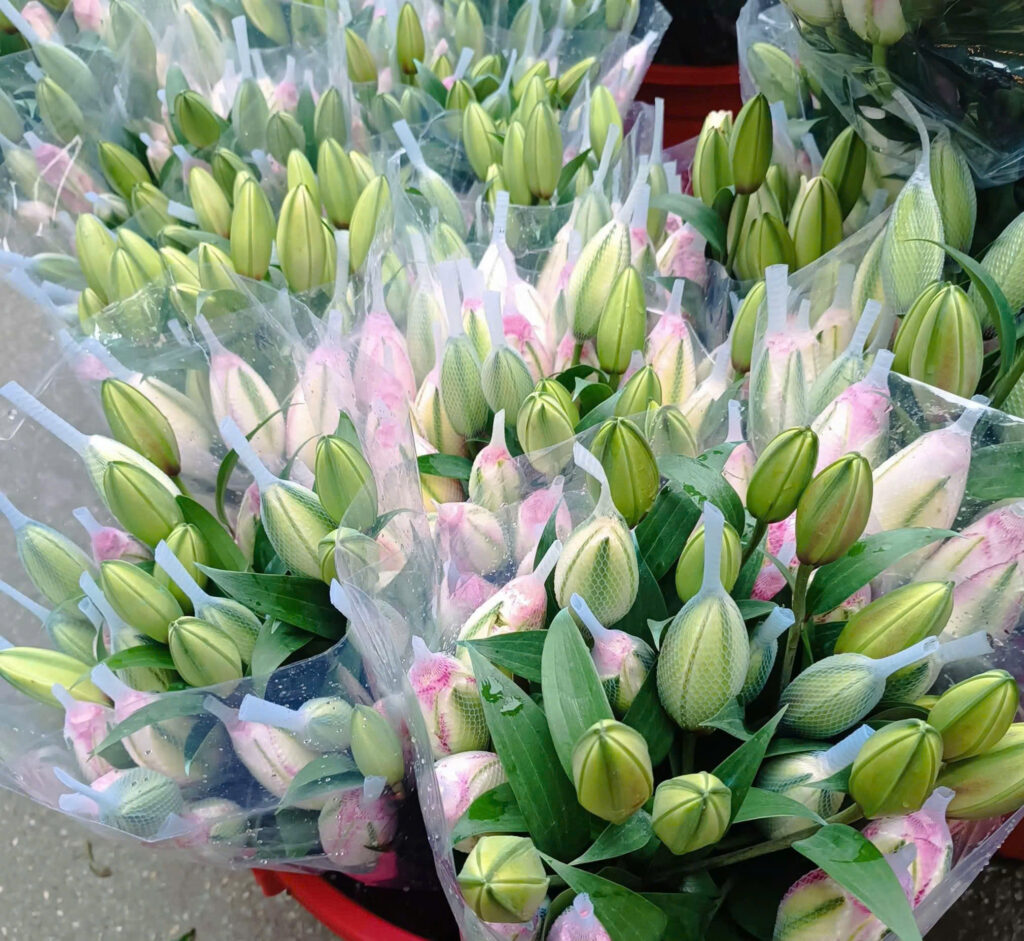
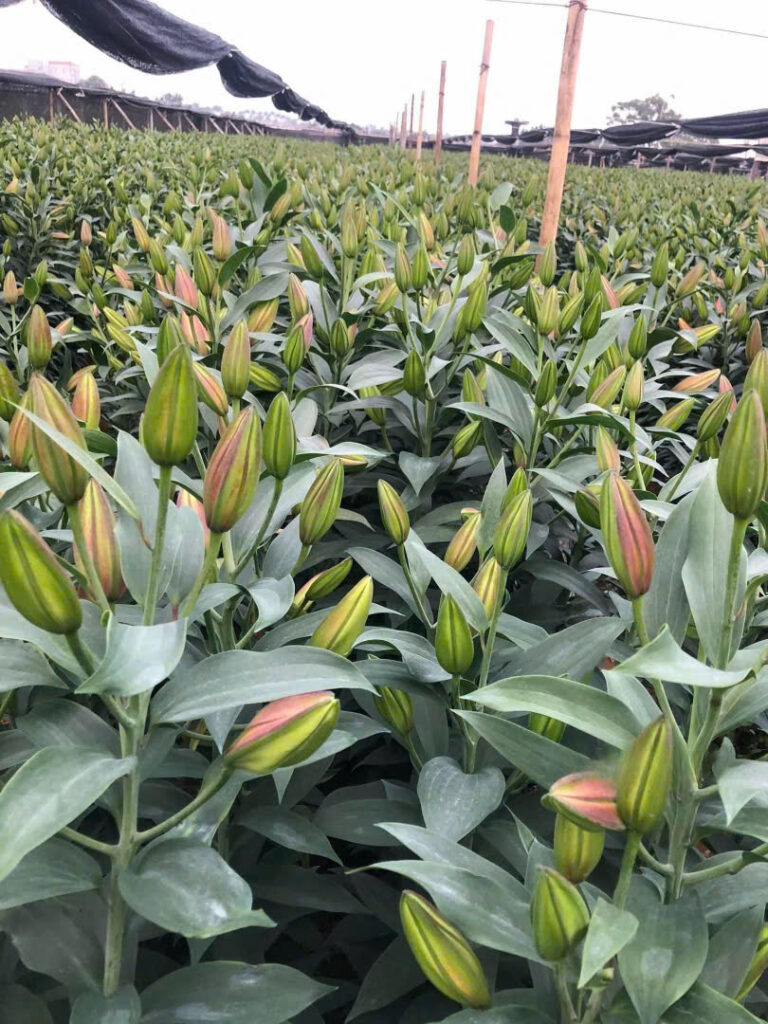
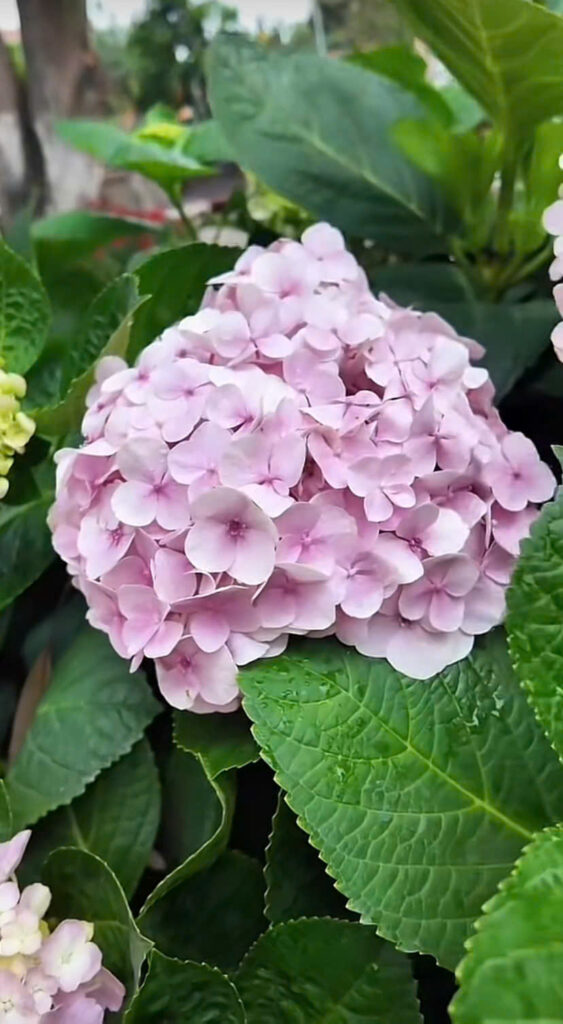
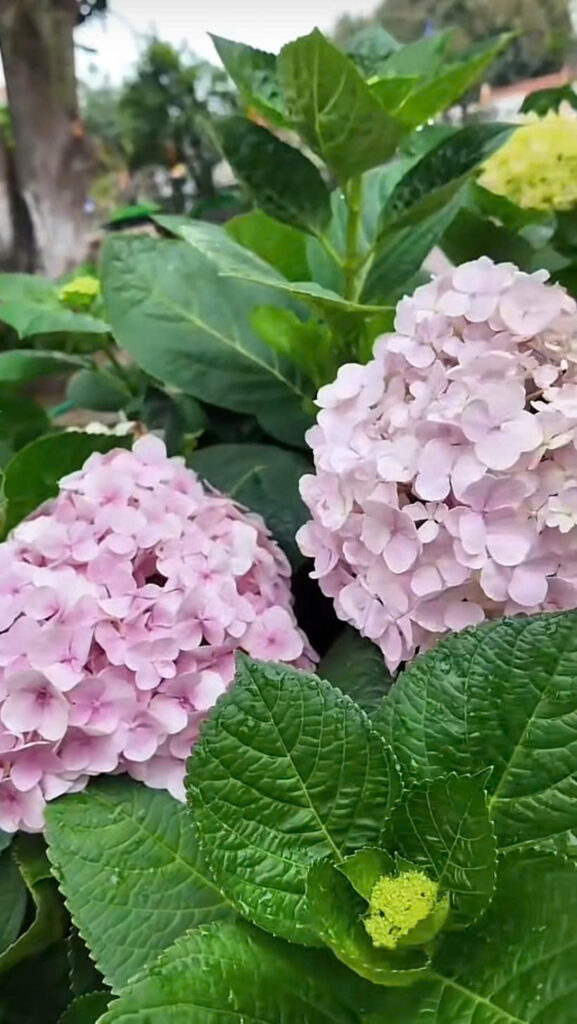
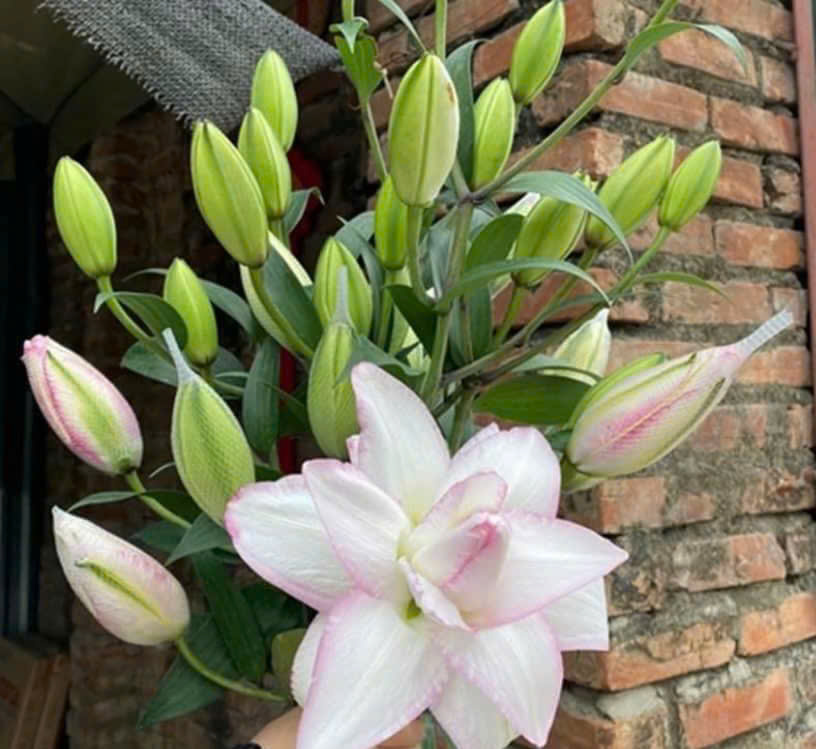
For centuries, the people of Ngoc Ha devoted their lives to flower cultivation, treating it not only as their livelihood but also as a cherished cultural practice. Blessed with fertile soil and nourished by the fresh waters of Huu Tiep Lake and West Lake, the village produced blossoms that flourished in all seasons, vivid yet delicate, radiant yet imbued with the signature grace that distinguished Ngoc Ha from other flower-growing regions. Traditional varieties such as roses, dahlias, chrysanthemums, violets, and gerberas were tended with meticulous care. Every petal, every bud was nurtured by skilled hands and an attentive eye.
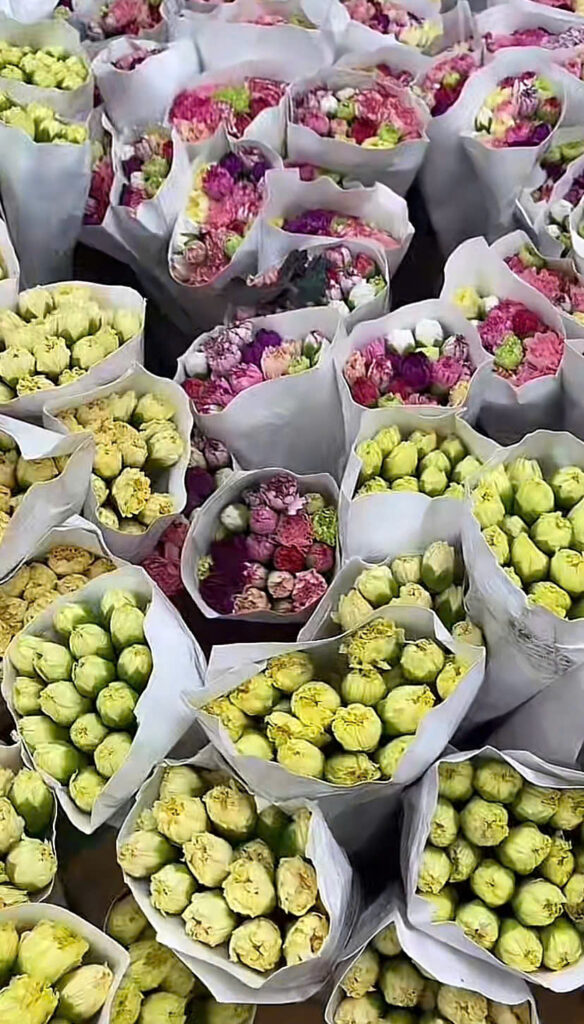
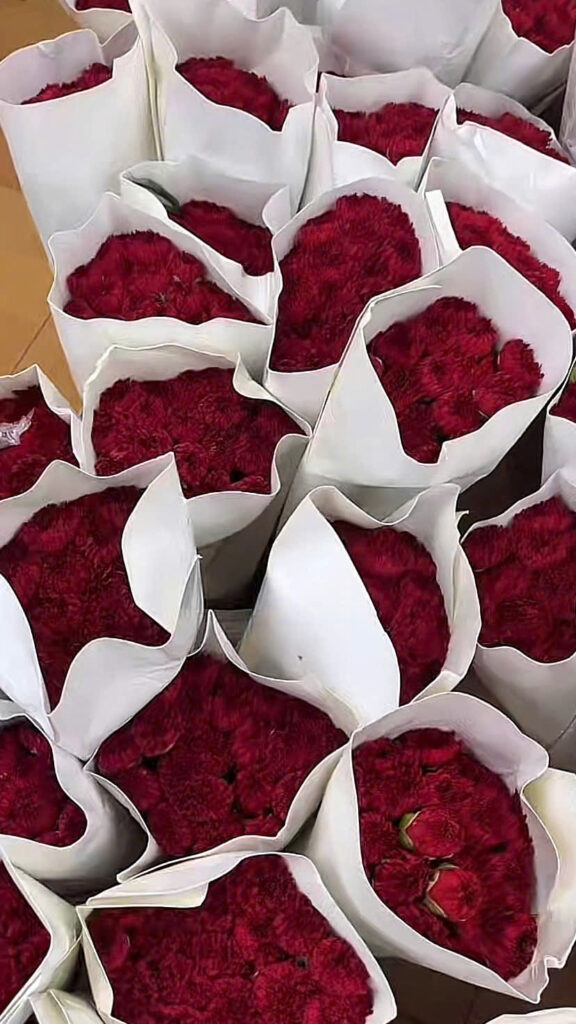
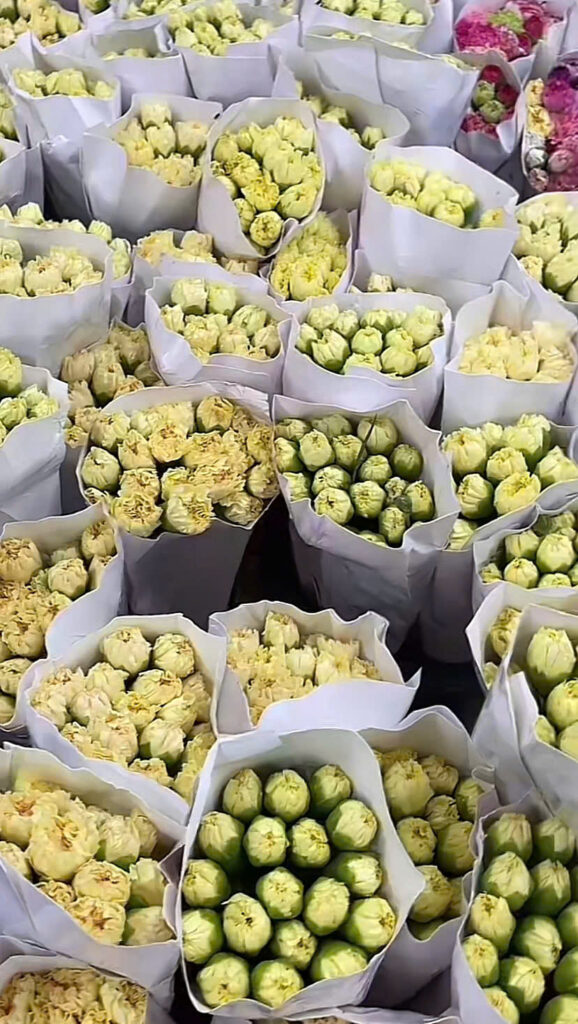
In the early mornings, when a light mist still hovered over the lakes and the village lay wrapped in hushed tranquillity, the sound of footsteps would slowly fill the narrow lanes. Women balancing bamboo baskets of freshly cut flowers made their way toward the Old Quarter, heading to markets such as Hang Luoc, Hang Khoai, or other well-known trading streets. Their colourful bouquets not only brought fragrance to the city but also added an unmistakable softness to Hanoi’s morning atmosphere.
Photo: TITC
Flower growing in Ngoc Ha was more than just agricultural labour, it was an expression of the village’s identity and a reflection of the soul of Hanoi itself. The villagers were known for their affection for flowers: they understood their cycles, their sensitivities, and the way they carried the emotions of the seasons. Flowers were grown not solely for trade but also to enrich spiritual and communal life, adorning homes during festivals, weddings, and ancestral ceremonies. Because of this, Ngoc Ha’s blossoms carried a warmth and familiarity, embodying the elegance and refinement of the people who cultivated them.
Photo: TITC
After 1954, Hanoi underwent rapid urbanisation, and the vast fields of flowers that once defined Ngoc Ha gradually disappeared. Today, the village no longer stretches across expansive gardens as it once did. Yet its name endures in the memory of Hanoians, representing an era often remembered as one of “graceful, poetic, and cultured Hanoi.” The modern Ngoc Ha Street has become a lively residential area, but here and there, one can still glimpse small yards glowing with colourful blooms. Elderly residents continue to tend to modest patches of chrysanthemums or a few treasured rose bushes, as if safeguarding the essence of an earlier time.
Photo: TITC
One of the most remarkable landmarks associated with the village is Huu Tiep Lake, where the remains of a B-52 bomber shot down during the 1972 “Dien Bien Phu in the Air” campaign still rest. This site of profound historical significance adds an unexpected depth to the village’s landscape. In this quiet space, where the tranquillity of everyday life meets the echoes of wartime memory, Ngoc Ha’s charm becomes even richer, intertwined with both beauty and history.
Though its traditional flower trade is no longer as vibrant as in the past, Ngoc Ha remains a beloved destination for those who cherish Hanoi’s old-world grace. Each Lunar New Year, residents once again tend to their flowers with dedication and pride, nurturing not only the blossoms themselves but also the timeless spirit of a centuries-old craft village that continues to bloom in the heart of the capital.