(TITC) – Amid the bustle of modern Hanoi, on the tranquil shores of West Lake lies Quang Ba Village, a place where the delicate essence of Vietnamese culture continues to bloom. Known for its serene lotus ponds that grace the summer months, Quang Ba is also the cradle of a centuries-old art form: the making of lotus-infused tea, a craft that embodies refinement, patience, and the pure soul of the capital.
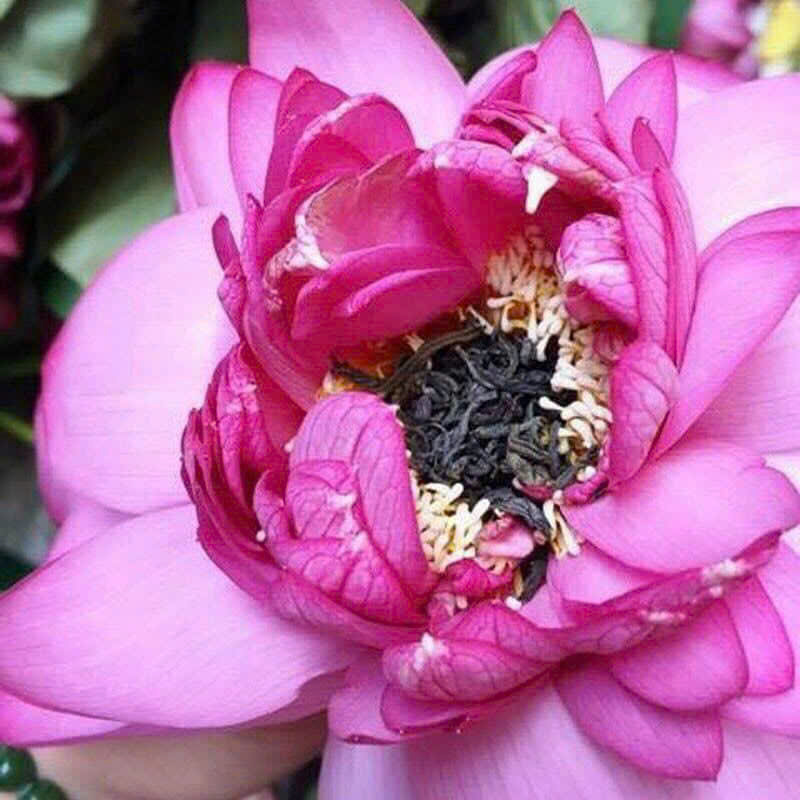
Lotus tea is considered one of the most exquisite and elaborate scented teas (Photo: TITC)
The craft of lotus tea infusion in Quang Ba dates back hundreds of years, intertwined with the elegant tea-drinking traditions of the Trang An people – the refined citizens of old Hanoi. According to local lore, in ancient times, scholars and mandarins considered lotus tea from West Lake a precious luxury, reserved only for royal offerings or momentous occasions. The scent of the Bach Diep lotus, in particular, is renowned for its subtle yet deep fragrance, unmatched by any other lotus variety in Vietnam.
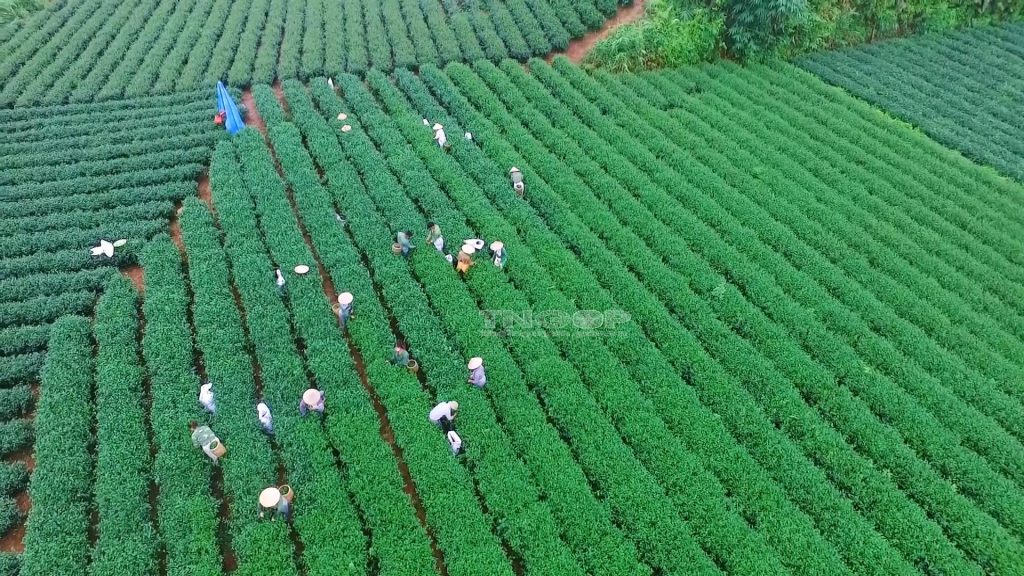
To create a perfect pot of lotus tea, artisans in Quang Ba follow a delicate, time-honored process. During the lotus season, blossoms are picked at dawn, when the petals are still cool and heavy with dew. Each flower is carefully opened, and the tiny golden stamens, known as lotus rice, are removed and blended with the finest Thai Nguyen green tea.
The infusion process involves layering tea and lotus rice, sealing, and drying the mixture repeatedly over several days, often five to seven cycles. With each repetition, the essence of the lotus seeps deeper into the tea leaves, producing a flavor that is at once gentle, floral, and sweetly lingering, a sensory expression of Hanoi’s elegance.

Photo: TITC
As Quang Ba’s artisans often say, “Ướp trà sen là ướp cái hồn của hoa” – to scent tea with lotus is to capture the very soul of the flower. The craft demands not only skill but also sincerity and devotion. Every batch is made by hand, each movement deliberate and full of care. Though the work is laborious and the product costly, many families remain steadfast in preserving the tradition, viewing it as a way to safeguard the cultural spirit of Hanoi.
Today, Quang Ba’s lotus tea is cherished not only across Vietnam but also in markets abroad. Visitors to Hanoi often stop by West Lake to purchase lotus tea as a meaningful gift, a fragrant keepsake that carries the refined grace of Trang An culture. Some households have even combined tea-making with experiential tourism, inviting guests to pick lotuses, prepare their own tea, and enjoy it beside the shimmering ponds where the flowers bloom.
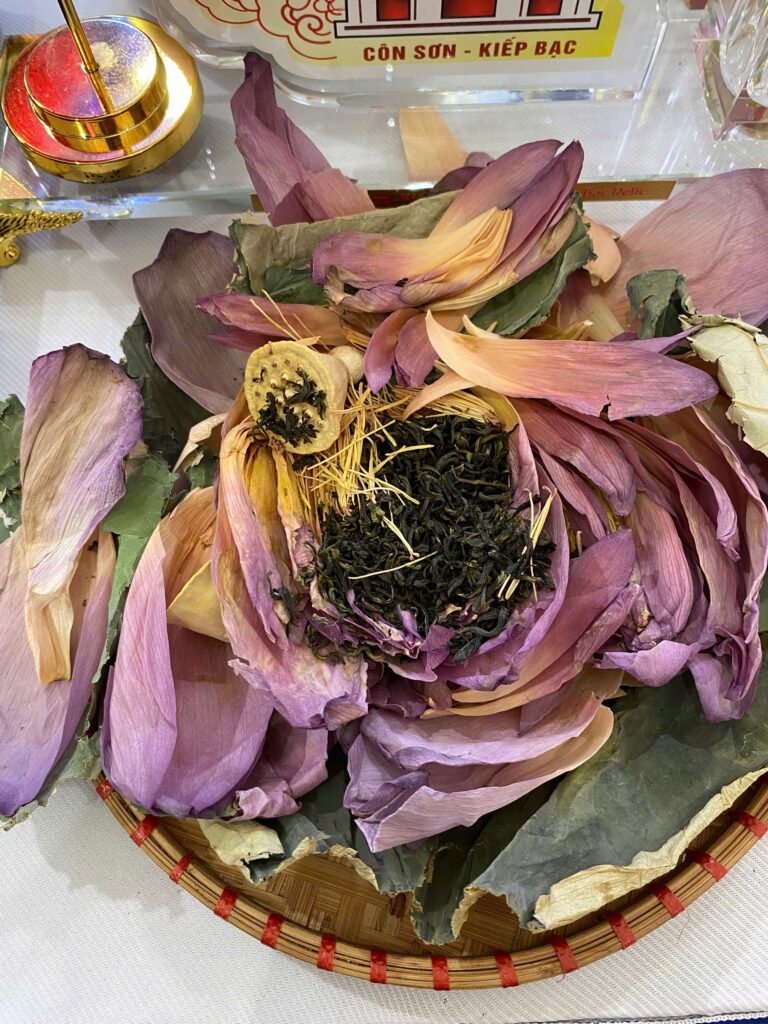
Photo: TITC
More than just a livelihood, the lotus tea craft of Quang Ba is recognized as an intangible cultural heritage, a symbol of Hanoi’s timeless artistry and sophistication. In every fragrant cup lies the essence of Vietnamese serenity: purity, harmony, and respect for nature.
As time flows and the city grows ever more dynamic, Quang Ba Village continues to exude its quiet charm, the scent of lotus mingling with tea, carrying the soul of Hanoi itself: refined, graceful, and eternally serene.
Tourism Information Technology Center