(TITC) – Located in the southeastern part of Ho Chi Minh City, Long Son Island Commune sits near the mouth of the Dinh River, where several major river branches converge before flowing into the East Sea. Thanks to its special location, surrounded by rivers and mangrove forests, Long Son offers a harmonious blend of riverine and coastal landscapes. This unique position has fostered a close-knit community devoted to aquaculture and nearshore fishing, giving rise to the Long Son floating village – a distinctive destination for southern waterway tourism.
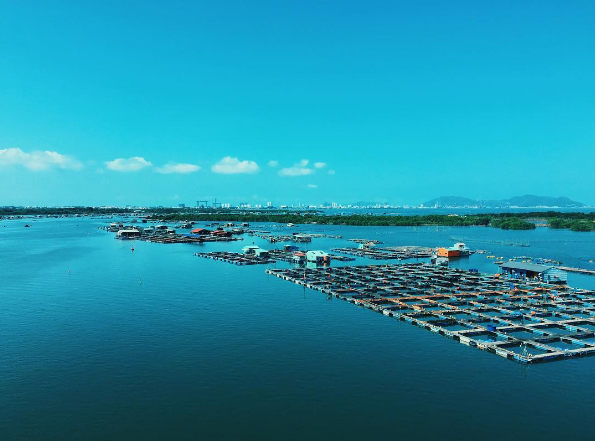
Amid the vast waterways, Long Son floating village appears like a miniature floating town, with hundreds of stilt houses and fish cages linked across calm river surfaces. From a distance, the scenery is both poetic and lively, reflecting the coastal residents’ lifestyle and culture. Each house on the floating platforms serves as a home, a source of livelihood, and a space for welcoming visitors. Walking along wooden pathways, tourists can feel the salty sea breeze, hear gentle waves lapping, and experience the simple yet resilient rhythm of life in the fishing community.
Renowned for its traditional aquaculture, particularly grouper, cobia, lobster, and oysters, the local residents not only carefully tend their fish cages but also gladly guide visitors to learn about breeding processes, net-making techniques, and tips for keeping fish healthy in the salty waters. The warmth, hospitality, and friendliness of the locals make Long Son a deeply human-centered tourism experience, where visitors gain insight into the working life of coastal communities.
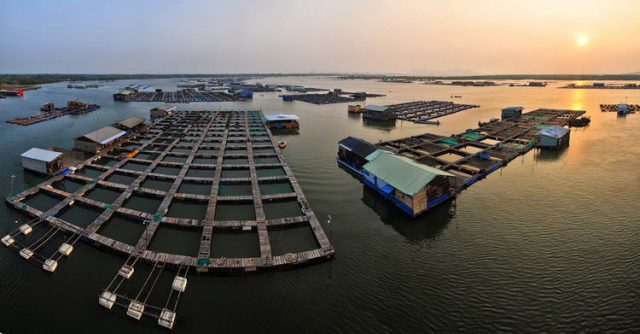
One of the most attractive activities at Long Son is enjoying fresh seafood directly on the floating village platforms. Visitors can select fish, shrimp, crab, or oysters freshly harvested, then have them prepared by the hosts into simple yet delicious dishes, such as grilled oysters with scallion oil, steamed grouper with ginger, or spicy-sour seafood hotpot. Tasting these dishes while surrounded by water, listening to the waves, and watching the sun set over the Dinh River is an unforgettable experience.
In addition to the floating village, tourists can visit the Long Son Grand House, a historic spiritual site associated with Mr. Tran, who played a key role in founding the village. This site functions both as a place of worship and a cultural hub for local residents. Each year, during the festival honoring Mr. Tran (in the second lunar month), thousands of locals and visitors gather, creating a solemn yet warmly communal atmosphere, reflecting the strong sense of community unique to the region.
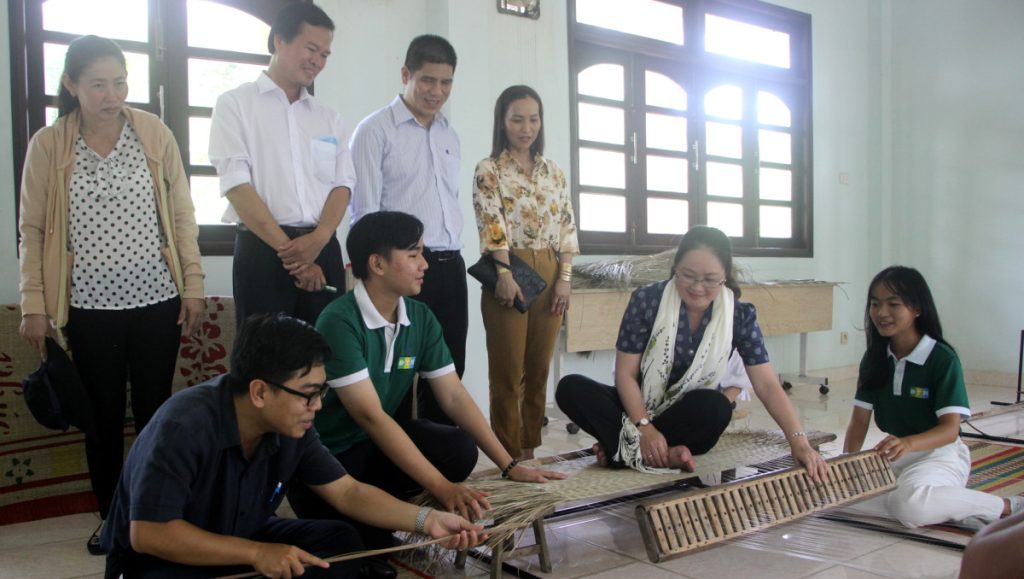
Long Son Island Commune is also ideal for ecotourism and nature-based experiences. Visitors can row through mangrove forests, observe migratory birds, or explore traditional seafood processing villages, including fish-drying and fish sauce production, as well as net-weaving. These activities help tourists better understand coastal life while promoting responsible, environmentally conscious tourism.
Currently, Long Son is being developed under a community-based, ecological, and cultural tourism model, placing residents at the center of development. By combining natural conservation, cultural preservation, and sustainable tourism exploitation, the commune is opening new pathways to increase incomes and provide stable livelihoods for the local community.
With its pristine landscapes, rich marine ecosystems, and vibrant cultural life, Long Son floating village is gradually establishing itself as a standout destination for southern coastal tourism. The commune not only offers a sense of tranquility amidst nature but also deepens visitors’ appreciation for the labor, culture, and resilience of riverine and coastal communities. While maintaining its rustic and authentic charm, Long Son is evolving into a “green,” welcoming, and dynamic destination in the prosperous southern region of Vietnam.
Tourism Information Technology Center